
Financial Planning Guide for Travelers
A comprehensive guide to managing your finances while traveling.
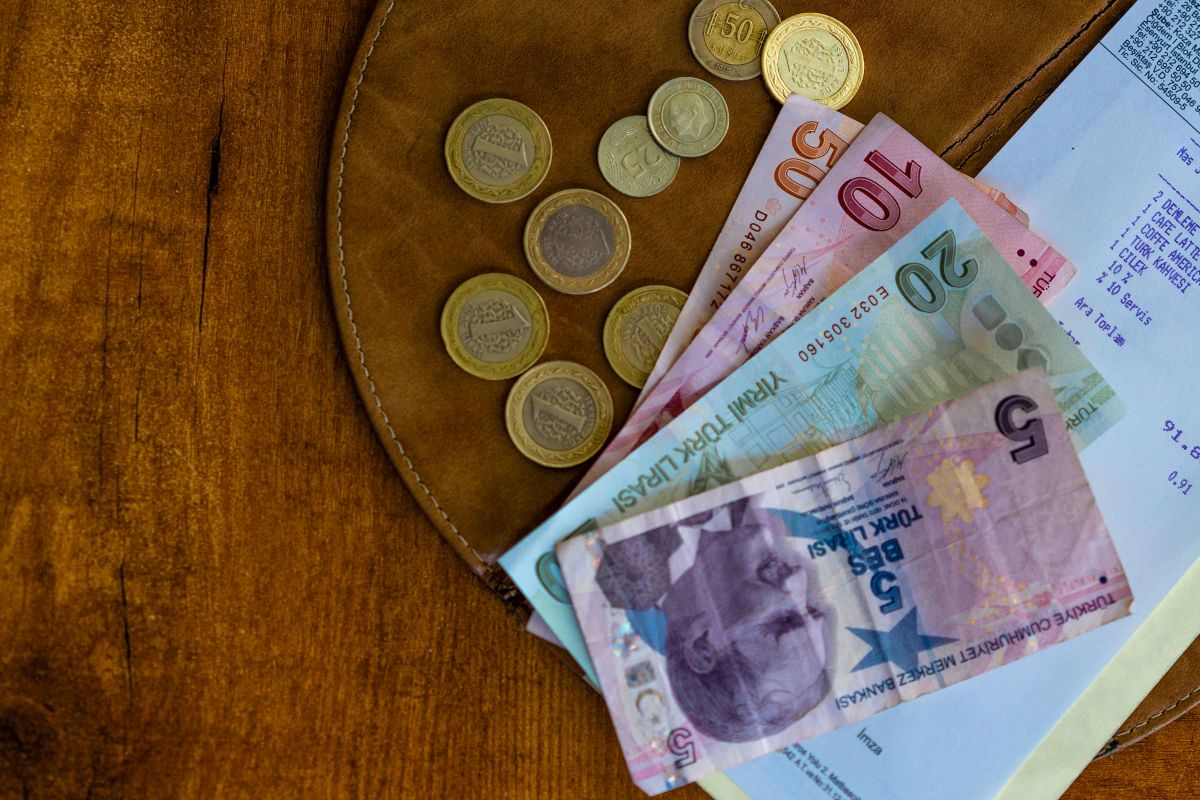
The Ultimate Travel Budgeting Guide: How to Afford the Journey You Want
Travel feels liberating, but getting the finances right is what makes the freedom sustainable. Whether you’re planning a two-week adventure or a multi-year life on the road, a smart budget gives you clarity, control, and peace of mind. Use this guide to build a travel budget that’s realistic, flexible, and aligned with the journey you want.
1. Start With Your Total Travel Budget
Before you look at flights or book accommodation, set your financial boundaries.
How to build your baseline budget:
- Identify how long you’ll be travelling.
- Estimate major cost categories:
- Flights and transport
- Accommodation
- Food
- Travel insurance
- Activities and tours
- Visas and border fees
- Technology (SIMs, data, VPN, chargers)
- Health (vaccinations, medications)
- Contingency (10 to 20 percent buffer)
Once you’ve sketched the big picture, plug the numbers into a spreadsheet or budgeting app so you can see your total cost and daily average.
Aim for one daily figure.
This becomes your compass for decision-making on the road.
2. Create a Category-by-Category Breakdown
Paint a clear picture of what your money is actually doing.
Transport
- Long-haul flights
- Domestic flights
- Trains, buses, ferries
- Rideshares or taxis
- Fuel if renting a car
Accommodation
- Hotels, guesthouses, hostels
- Apartments or homestays
- Long-stay discounts
- Occasional splurge nights
Food
- Eating out vs self-catering
- Coffee and snacks
- Local markets
- “Travel days” (often more expensive)
Experiences
- Must-do tours
- Local activities
- National park fees
- Cultural events
Admin & Safety
- Travel insurance
- SIM cards
- ATM and bank fees
- Gear replacement
- Contingency buffer
A category breakdown reduces surprises and helps you quickly adjust if you overspend in one area.
3. Build Your Travel Savings Plan
Saving is easier when it’s automated and predictable.
Practical steps:
- Open a dedicated travel savings account.
- Set up an automatic transfer each payday.
- Treat your travel fund like a non-negotiable bill.
- Use cashback apps or loyalty programs for everyday purchases.
- Cut one or two small recurring costs (they add up quickly).
Not every saving tactic requires sacrifice. Often it’s about intention and visibility.
As John C. Maxwell puts it:
“A budget is telling your money where to go instead of wondering where it went.”
When your savings have a clear direction, momentum builds.
4. Manage Your Money Wisely on the Road
Great budgeting isn’t about restriction; it’s about making smart choices that stretch your journey further.
Currency & Payments
- Always pay in the local currency.
- Avoid dynamic currency conversion on cards.
- Withdraw larger amounts less frequently to reduce ATM fees.
- Carry a backup card stored separately.
Daily Spending Habits
- Track spending weekly, not obsessively daily.
- Use banking apps to monitor currency fluctuations.
- Mix free and paid activities.
- Walk when possible.
- Cook occasionally, especially in expensive countries.
Avoid Common Money Traps
- Airport ATMs with inflated fees
- Tourist-priced restaurants
- “One more night” accommodation creep
- Overbooking activities early in the trip
- Paying a premium for convenience when planning ahead would be cheaper
You want your money to support your adventure, not limit it.
5. Build a Financial Safety Net
Unexpected costs will happen, and you want to be ready.
Include in your safety net:
- Emergency fund (at least 2 to 4 weeks of travel expenses)
- Travel insurance that covers medical, cancellation, and valuables
- Copies of all cards and documents
- A digital and physical backup of emergency contacts
A safety net isn’t a luxury; it’s what keeps a great trip from becoming a stressful one.
6. Use This Ready-Made Travel Budget Template
Step 1: Big Picture Numbers
- Total trip length: ______
- Total budget: ______
- Daily average cost: ______
Step 2: Category Allocations
- Transport: ______
- Accommodation: ______
- Food: ______
- Activities: ______
- Insurance: ______
- Visas & admin: ______
- Technology: ______
- Contingency: ______
Step 3: Savings Plan
- Monthly savings goal: ______
- Savings account set up: Yes / No
- Target departure date: ______
- Amount saved so far: ______
Step 4: On-Road Tracking
- Weekly spending check
- Review category balance
- Adjust daily average as needed
7. Your Budget Should Match Your Values, Not Anyone Else’s
There’s no universal daily figure that works for every trip.
What matters is alignment:
- Travel at a pace that suits your energy.
- Spend on things that genuinely matter to you.
- Save on the things that don’t.
- Stay open to recalibration.
Freedom isn’t just about movement.
It’s about knowing your finances support the life you want, not the life you’re leaving.
Download Your Copy
A comprehensive guide to managing your finances while traveling.
Let curiosity lead you.
Get travel ideas and inspiration, straight to your inbox.