
Travel Insurance Essentials
Understanding the importance of travel insurance for your trips.
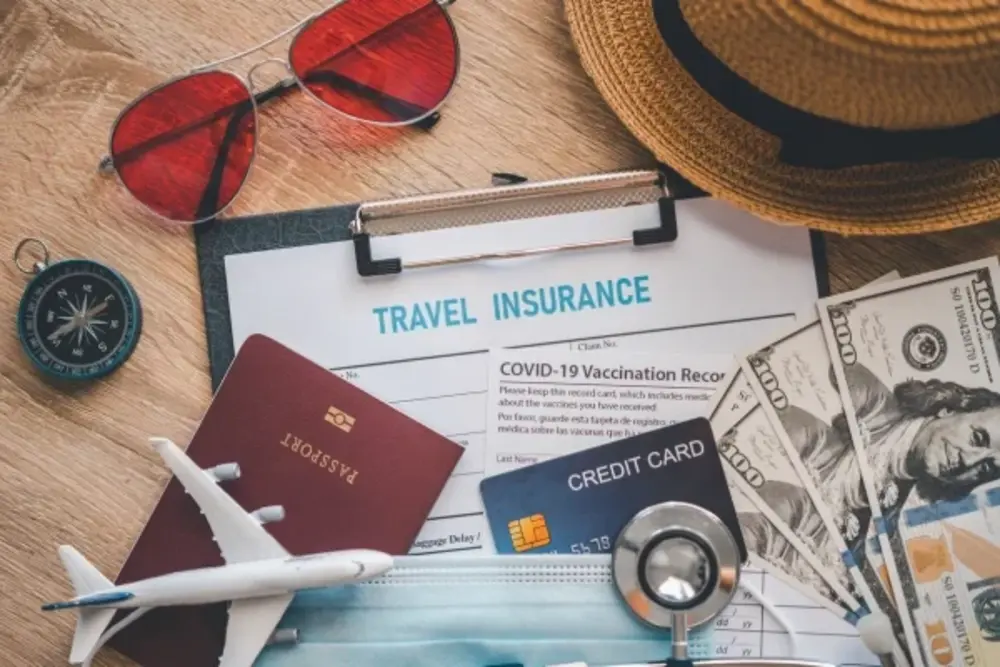
The Essential Guide to Travel Insurance: What You Need to Know
Travel insurance might not be the most exciting part of planning a trip, but it’s one of the most important. Whether you're heading off for a weekend escape or travelling the world full-time, a good policy can protect you from unexpected costs, logistical chaos, and serious medical emergencies. Think of it as the safety net that lets you explore with confidence.
As the saying goes, “Travel insurance is like an umbrella; you don’t need it until it rains.”
And when it rains, you'll be glad you brought it.
Why You Need Travel Insurance
Even the best-planned journeys can take unexpected turns. Flights get cancelled, luggage goes missing, and illness can strike without warning. Travel insurance offers financial protection and peace of mind, helping you manage disruptions that could otherwise derail your trip or leave you facing considerable costs.
A solid travel insurance policy can help with:
- Medical treatment and hospital stays
- Emergency evacuation
- Lost, stolen, or damaged luggage
- Delayed or cancelled flights
- Trip interruptions
- Unexpected accommodation or transport costs
- Liability issues (depending on the policy)
If you’re travelling long-term, working remotely, or exploring high-risk destinations, the security it provides becomes even more important.
Types of Travel Insurance
There’s no one-size-fits-all policy. Understanding the most common types of coverage will help you choose wisely.
1. Trip Cancellation & Interruption
This covers prepaid, non-refundable expenses if you need to cancel or cut your trip short due to unforeseen events such as illness, family emergencies, natural disasters, or airline issues.
2. Medical & Emergency Coverage
One of the most critical components. It covers:
- Doctor visits
- Hospital treatment
- Emergency surgery
- Medical evacuation (often extremely expensive)
International medical care can cost tens of thousands of dollars. If you travel without coverage, you’re fully responsible for the bill.
3. Baggage & Personal Belongings
This protects you if your luggage is lost, delayed, or damaged. It often includes coverage for personal items like electronics, though limits vary widely.
4. Adventure Activities Coverage
If you're planning activities such as scuba diving, trekking, skiing, or riding motorbikes, you may need additional coverage. Many standard policies exclude higher-risk activities unless you add them on.
5. Annual Multi-Trip Policies
Ideal for frequent travellers. Instead of insuring each trip separately, you’re covered for unlimited trips within a year.
How to Choose the Right Policy
Choosing travel insurance is less about picking the cheapest plan and more about matching coverage to your needs.
1. Compare Providers
Look at multiple insurers and use comparison tools where possible. Consider:
- Provider reputation
- Customer service quality
- Claim approval rates
- User reviews and independent ratings
A cheaper policy is not always better if the claims process is unreliable.
2. Understand the Coverage Limits
Read the fine print. Pay close attention to:
- Medical coverage caps
- Evacuation limits
- Theft or loss limits for valuables
- Daily allowance for delayed baggage
- Trip cancellation reimbursement caps
If you’re travelling with expensive gear, you may need extra coverage.
3. Read the Exclusions
Every policy has them. Common exclusions include:
- Pre-existing medical conditions
- High-risk sports or activities
- Events caused by alcohol or drug use
- Undeclared medical history
- Travel to restricted or high-risk regions
Understanding exclusions helps avoid nasty surprises later.
4. Match the Policy to Your Travel Style
Ask yourself:
- Am I travelling long-term or short-term?
- Will I be engaging in adventure activities?
- Am I carrying valuable technology (e.g., cameras, laptops)?
- Do I need a single-trip or annual policy?
- Do I have pre-existing medical conditions?
Your answers will guide the level of protection you need.
Navigating the Claims Process
A great policy is only useful if you understand how to use it. Before you travel, familiarise yourself with your insurer’s claim requirements.
Key Tips:
- Keep all receipts: medical bills, transport costs, accommodation invoices, and any paperwork related to delays or cancellations.
- Document everything: photos of damaged items, police reports for theft, or written confirmation from airlines for lost luggage.
- Save copies digitally: store documents in your email or cloud storage in case you lose the originals.
- Know the timeframes: some insurers require immediate notification of incidents, especially medical emergencies.
The more organised you are, the smoother your claim is likely to be.
Final Thoughts
Travel insurance isn’t just a safety net; it’s an investment in your peace of mind. Whether you're wandering through markets, hiking mountain trails, or catching overnight buses across countries, it ensures that unexpected events don’t become financial disasters.
Plan well, compare policies carefully, and choose coverage that reflects the way you travel. With the right protection in place, you’re free to explore the world with confidence
Download Your Copy
Understanding the importance of travel insurance for your trips.
Let curiosity lead you.
Get travel ideas and inspiration, straight to your inbox.