
Bali and Beyond: A 60-Day Journey
A 60-day slow travel journey through Bali and nearby islands, revealing deeper culture, landscapes, and meaning beyond typical itineraries.
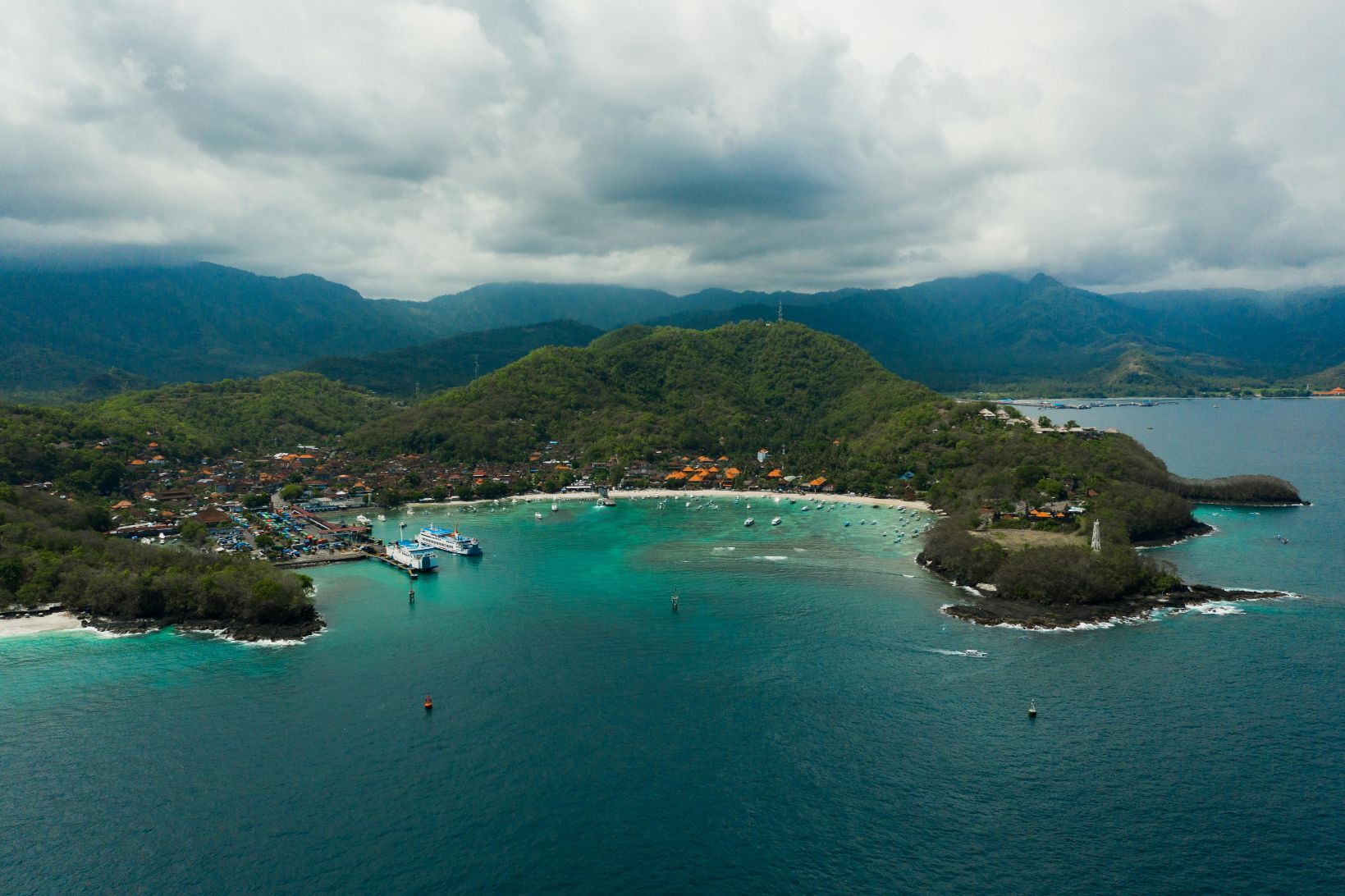
We’d been to Bali many times before.
But if we’re honest, we’d only ever seen it.
We hadn’t really experienced it.
So when we stepped into full-time travel, we made a deliberate choice. We didn’t want another fast-paced loop through familiar places. We wanted to go deeper. To understand the rhythm of the island, not just move across it. To spend time in the spaces between the highlights, where culture, history, and everyday life actually live.
That meant one thing.
Time.
So we gave ourselves sixty days.
Not rushed.
Not optimised.
Not built to tick boxes.
Just enough time to let places land properly.
This wasn’t about covering more ground. It was about staying long enough to feel the difference between arriving somewhere… and actually being there.
More time in each location.
More space between movements.
More opportunity to understand not just what we were seeing… but where we actually were.
And how we moved mattered just as much as where we went.
We kept it flexible.
Fast boats when the ocean separated us.
Scooters when we wanted freedom and spontaneity.
Private drivers when distance, terrain, or practicality made it the better choice.
Nothing overplanned.
Nothing forced.
That combination gave us something we hadn’t had on previous trips.
Continuity.
We weren’t jumping from one experience to the next. We were settling into places, understanding their pace, and then moving on when it felt right, not when an itinerary told us to.
This is the route we followed.
And it’s the one we’d recommend to anyone looking for a slower, more immersive way to experience Bali and the surrounding islands.
Days 1–7: Ubud
Let Bali introduce itself slowly
With a full week in Ubud, something important shifts.
You’re no longer choosing between experiences.
You’re allowing them to unfold.
Because Ubud isn’t built around a checklist. It’s shaped by layers of culture, spirituality, and creativity that take time to settle in. Historically, it was supported by royal patronage, which helped establish it as a centre for art, dance, and craftsmanship. That influence still shows today, not in a preserved or staged way, but in how naturally those elements sit within everyday life.
You don’t visit culture here.
You move through it.
What Makes Ubud Essential
Some places are defined by landmarks.
Ubud is defined by moments.
The Sacred Monkey Forest Sanctuary is a perfect example. It’s part temple complex, part dense jungle, and part unpredictability. Monkeys move freely through ancient stone structures covered in moss, and while it can feel chaotic at times, there’s a deeper spiritual significance underpinning it all.
Then there are the markets.
The Ubud Art Market is busy, colourful, and full of local craftsmanship. Yes, it can be crowded, but go early or later in the day and it becomes more than just a shopping stop. It’s a window into the island’s creative identity.
Step beyond the town and the landscape changes again.
Waterfalls like Tibumana Waterfall, Tegenungan Waterfall, and Kanto Lampo Waterfall each offer something different. Some are gentle and tucked into the jungle. Others are more powerful, with layered rock formations and flowing water that invites you in.
Back closer to town, the Campuhan Ridge Walk offers a different kind of experience. Open space, rolling hills, and a quiet path that gives you a break from the energy of Ubud’s centre.
And in the evenings, the Ubud Palace becomes something else entirely. Traditional dance performances unfold in the courtyard, telling stories rooted in Balinese mythology through movement, music, and costume.
It’s not just entertainment.
It’s tradition still being lived.
Moving Through Ubud
In central Ubud, walking or using a scooter works well. Distances are manageable, and much of the experience is found in simply moving slowly through the streets.
But once you start exploring further afield, waterfalls, temples, and surrounding villages, a private driver becomes the most practical option.
Not just for convenience.
But for ease.
Because Ubud isn’t a place that rewards rushing.
It rewards wandering.
The Shift That Happens
Somewhere around day three or four, something changes.
You stop trying to “see Ubud.”
And you start noticing it.
The way mornings feel quieter.
The way afternoons drift.
The way small, unplanned moments begin to matter more than anything you scheduled.
That’s when Ubud starts to make sense.
Not as a destination.
But as an introduction.
To Bali.
Days 8–10: Kuta
Understand it, then move on
Kuta Beach doesn’t need a long stay.
But it does need context.
Kuta is where Bali opened itself to the world. Long before boutique villas and curated retreats, this stretch of coastline became a magnet for surfers, backpackers, and travellers chasing something simple, waves, sunsets, and a sense of freedom. Over time, that energy scaled. What was once raw and low-key evolved into something louder, more commercial, and undeniably influential.
You feel that immediately.
It’s busy.
It’s fast.
It doesn’t try to be subtle.
But underneath that, there’s history.
Kuta played a central role in shaping Bali’s global identity, for better and for worse. And the Bali Bombing Memorial stands as a quiet reminder of a moment that changed the island forever. It’s worth visiting, not as a tourist stop, but as a point of reflection.
Three nights is enough to see Kuta for what it is.
Not just the surface.
But the scale.
What to Do While You’re Here
Kuta works best when you lean into it, briefly, intentionally, and without expectation of calm.
Spend time on the beach at sunset. The light softens, the temperature drops, and for a moment, the pace feels almost balanced. Watch beginner surfers learning in the same rolling waves that first drew travellers here decades ago.
If you’re inclined, take a lesson yourself. Kuta is one of the easiest places in Bali to learn, with long, forgiving waves and plenty of instructors.
Walk the main strip and surrounding streets. It’s busy, but it gives you a sense of the scale of tourism in Bali, how it operates, and how it evolved.
For something more structured, places like Beachwalk Shopping Center offer a modern contrast, while Waterbom Bali provides a surprisingly high-quality water park experience if you’re looking for something different.
And then step back.
Visit the memorial.
Pause for a moment.
Let the contrast land.
Moving Through Kuta
A private driver or (Grab/Gojek) from Ubud is the easiest way to arrive, especially with traffic and distance to consider.
Once you’re here, most places are walkable, though scooters or short ride shares help when the heat or crowds build.
But the key isn’t how you move.
It’s how long you stay.
The Role Kuta Plays
Kuta isn’t where you slow down.
It’s where you understand Bali at scale.
The volume.
The energy.
The global pull.
See it.
Understand it.
Then move on.
And when you do, the rest of Bali starts to make even more sense.
Days 11–13: Sanur
The gentle reset
Sanur gives you space to breathe again.
After the intensity of Kuta, it feels like the volume has been turned down.
And that’s not accidental.
Sanur is one of Bali’s original beach destinations, long before mass tourism reshaped other parts of the island. It attracted travellers, artists, and writers drawn to its calmer coastline and slower rhythm. That history still lingers in the atmosphere today.
It’s quieter.
More settled.
Less performative.
With three nights, Sanur becomes more than a stopover.
It becomes a reset.
What Makes Sanur Worth Staying For
Sanur doesn’t overwhelm you with must-see attractions.
It works in smaller, more consistent moments.
Mornings are the best place to start. The beachfront promenade stretches for kilometres, and at sunrise, it comes alive gently. Locals walking, cyclists passing through, fishermen preparing their traditional jukung boats.
The water here is calm, protected by a reef, which makes it ideal for swimming, paddleboarding, or simply sitting still and watching the day begin.
There’s also a quieter cultural layer if you look for it.
Temples like Pura Blanjong carry historical significance, including ancient inscriptions that connect back to Bali’s early kingdoms. It’s not a headline attraction, but it adds depth to the experience.
Evenings shift again.
The night markets, particularly Sindhu Market, offer simple, authentic street food. No polish, no performance, just local dishes served quickly and well.
Sanur doesn’t try to impress you.
It just works.
Moving Through Sanur
Getting here is easy with a private driver, ride share, or scooter from Kuta or Ubud.
Once you arrive, everything slows.
Most places are walkable.
Cycling is popular along the beachfront.
Transport becomes secondary.
Because you’re not trying to get anywhere quickly.
The Role Sanur Plays
Sanur sits between two phases of the journey.
It’s where you reset before heading offshore to the Nusa islands.
And that matters.
Fast boats leave from here daily, and having a few days to settle, organise tickets, and adjust your pace makes that transition feel effortless rather than rushed.
The Feeling You Leave With
Sanur doesn’t compete with Bali’s bigger destinations.
It doesn’t need to.
It gives you something else.
Space.
Ease.
A moment to pause.
And in a journey like this, that’s exactly what you need.
Days 14–17: Nusa Lembongan
Where time starts to stretch
Nusa Lembongan works best when you stop trying to “do” it.
And with four nights, you finally have the space to let that happen.
After Bali, the shift is immediate.
The roads are quieter.
The pace slows.
The noise drops away.
But Lembongan isn’t just a quieter version of Bali. It has its own identity, shaped by fishing communities and seaweed farming, which has long been a key part of the local economy. You still see it today, seaweed lines stretching across the shallows, boats moving slowly between them, a reminder that life here has always been tied to the ocean in a practical way, not just a scenic one.
That’s what gives Lembongan its grounding.
It’s not built entirely for tourism.
It still functions.
The Bridge That Connects It All
At some point, you’ll find yourself crossing the iconic Yellow Bridge.
It’s simple. Narrow. Painted bright yellow.
And far more significant than it first appears.
This small suspension bridge links Lembongan with neighbouring Nusa Ceningan, and in doing so, it quietly expands your experience of the island.
Walk or ride across it slowly.
Below you, boats pass through the channel. To one side, seaweed farms stretch across the water. To the other, the current moves faster, connecting the islands in a way that feels both physical and cultural.
Ceningan itself feels even more relaxed.
Fewer people.
Quieter roads.
Clifftop views that open out across deep blue water.
Places like the Blue Lagoon and Secret Beach offer a different perspective, slightly more rugged, slightly less touched.
The bridge doesn’t just connect two islands.
It connects two rhythms.
What Makes Lembongan Worth Staying For
The beauty of Lembongan is in how easily it opens up once you stop rushing.
Hiring a scooter is the simplest way to explore, and the freedom it gives you changes everything.
Dream Beach offers that classic island contrast, white sand, clear water, and rugged cliffs that feel just slightly untamed.
At Devil's Tear, the energy shifts completely. Waves crash into the rock with force, sending spray high into the air. It’s raw, unpredictable, and best experienced at sunset when the light softens the edges of everything.
Then there are the mangroves on the northern side of the island.
Calm.
Quiet.
Almost still.
You can explore them by kayak or small boat, moving slowly through narrow waterways that feel a world away from the coastline just minutes behind you.
And in between all of that, there are the moments you didn’t plan.
Beachside cafés where you stay longer than expected.
Simple meals that don’t try too hard.
Afternoons that drift without structure.
Moving Through the Island
A scooter gives you freedom here.
No schedules.
No waiting.
Just the ability to move when it feels right.
The island is small, but the experience feels expansive once you include Ceningan in the mix.
Or you can choose to do very little at all.
And that’s equally valid.
The Role Lembongan Plays
Lembongan is where the trip starts to loosen.
After the cultural depth of Ubud and the intensity of Kuta, this is the first place where time stretches out.
You stop planning your days.
You stop checking the time.
You just move through it.
The Feeling You Take With You
Lembongan doesn’t overwhelm you with highlights.
It draws you in slowly.
With space.
With simplicity.
With a rhythm that feels easy to step into.
And somewhere between Lembongan and Ceningan, crossing that small yellow bridge, you realise you’re no longer travelling at pace.
You’re just… there
Days 18–20: Nusa Penida
Effort meets reward
Nusa Penida is not easy.
And that’s exactly why it stays with you.
With three nights, you move beyond the highlights and start to understand the island for what it is, not a polished extension of Bali, but something older, more rugged, and still deeply connected to its spiritual roots.
For Balinese Hindus, Penida holds cultural significance that many visitors don’t immediately see. It’s home to sacred sites like Pura Goa Giri Putri and Pura Dalem Ped, temples tied to purification, protection, and spiritual balance. Pilgrims still travel here regularly, which adds a layer of meaning beyond the dramatic landscapes.
You feel it in moments.
Quiet offerings placed at roadside shrines.
Ceremonies happening without announcement.
A sense that the island exists for more than just visitors.
Moving Through Penida
Use a driver.
Always.
The roads are rough, often narrow, and distances are deceptive. What looks close on a map can take much longer than expected, and trying to self-navigate quickly turns into fatigue rather than enjoyment.
A driver removes that friction.
It allows you to focus on the experience, not the logistics.
What Makes Penida Worth the Effort
Penida doesn’t give anything away easily.
You have to move for it.
Kelingking Beach is the most recognisable. A cliff formation that feels almost unreal, dropping sharply into turquoise water below. The viewpoint alone is enough, but for those willing, the descent to the beach is steep, physical, and not for everyone.
At Broken Beach, the landscape shifts again. A natural arch carved into the rock forms a circular bay where the ocean flows in and out. It’s less about scale and more about shape, something you don’t see often.
Nearby, Angel's Billabong offers a natural infinity pool, but timing matters. Calm conditions are essential, and it’s a place that demands respect as much as curiosity.
Then there’s the eastern side.
Diamond Beach feels completely different, white sand, steep carved steps, and a sense of isolation that rewards the effort it takes to get there.
And if you want to add something beyond the cliffs, snorkelling or diving with manta rays is one of the more memorable experiences around the island.
The Role Penida Plays
Penida is where the journey sharpens.
After the slower rhythm of Lembongan, this island asks more of you.
More movement.
More patience.
More effort.
But it gives something back in return.
Landscapes that feel untouched.
Moments that feel earned.
And a reminder that not every destination is meant to be easy.
The Feeling You Leave With
Penida isn’t relaxed.
It’s not designed that way.
It’s raw.
Unpredictable.
Unpolished.
And that’s exactly why it stands out.
Because when you leave, you don’t just remember what you saw.
You remember what it took to see it.
Days 21–26: Kuta, Lombok
Stay long enough to feel the difference
Kuta Lombok deserves more than a few nights.
And with six nights, it finally has the space to unfold.
At first, it feels familiar. A coastal base. Beaches. Cafés. A growing tourism footprint.
But give it time, and the differences become clear.
Lombok doesn’t carry the same density as Bali. The landscapes feel wider. The roads open up. The coastline stretches without interruption. There’s less urgency here, and less expectation.
It’s not trying to be anything.
And that’s exactly why it works.
A Different Cultural Layer
Kuta Lombok isn’t just about the coastline.
It sits within the culture of the Sasak people, Lombok’s indigenous community, whose traditions, architecture, and daily life remain visible if you take the time to look beyond the beaches.
A visit to a traditional Sasak village, such as Sade Village, shifts the experience completely.
You see homes built from natural materials.
You learn about weaving traditions passed down through generations.
You begin to understand how different Lombok’s cultural identity is from Bali.
It’s quieter.
More conservative.
More grounded in its own rhythm.
And that contrast adds depth to everything else you experience here.
What Makes Kuta Lombok Worth Staying For
The real beauty of Kuta Lombok is in how much space it gives you.
Hiring a scooter is essential. It’s the best way to explore freely, and the roads, while not perfect, are manageable and open.
From there, the coastline becomes yours to discover.
Tanjung Aan Beach feels expansive, with soft white sand and water that shifts between shades of blue depending on the light. It’s the kind of place where you stay longer than planned without realising it.
At Selong Belanak Beach, the energy changes again. A wide bay, gentle waves, and one of the best places in Indonesia to learn to surf. Beginners line the shore, instructors guiding them through the same process that has defined surf culture here for years.
Then there are the hills.
Climb up to places like Merese Hill at sunset, and the entire coastline opens up. Rolling green landscapes dropping into the ocean, light shifting across the water, a view that feels far removed from anything crowded or controlled.
Moving Through Lombok
A scooter gives you freedom here.
No fixed routes.
No strict plans.
Just the ability to follow the coastline and see where it leads.
And that’s how Kuta Lombok works best.
Not as a checklist.
But as a place you move through naturally.
The Role Kuta Lombok Plays
This is where the journey expands.
After Bali and the Nusa islands, Lombok introduces space.
Physical space.
Cultural space.
Mental space.
You feel the difference.
And staying longer is what allows that to happen.
The Feeling You Take With You
Kuta Lombok doesn’t overwhelm you with highlights.
It opens up gradually.
Through landscapes that feel untouched.
Through culture that feels authentic.
Through a pace that invites you to stay a little longer.
And by the time you leave, you realise something has shifted.
You’re no longer looking for the next place.
You’re starting to appreciate where you already are.
Days 27–29: Senggigi
A softer transition
Senggigi is less about activity… and more about transition.
But that doesn’t mean it should be rushed.
With three nights, Senggigi has just enough time to settle into you.
A Different Side of Lombok
Before the rise of Kuta Lombok, Senggigi was the island’s original tourism hub. That history still shows, not in a crowded or overdeveloped way, but in how the area has grown around its coastline.
There’s a quiet maturity to it.
Older resorts.
Established beachfronts.
A sense that it has seen travellers come and go for decades.
And alongside that, there are small but meaningful cultural touches.
Places like Pura Batu Bolong sit perched on the coastline, a Hindu temple looking out over the sea, a reminder of Lombok’s proximity to Bali and the cultural overlap that exists between the islands. It’s not large or heavily visited, but it adds a layer of context that connects Lombok back to the broader region.
What Makes Senggigi Worth Staying For
Senggigi doesn’t overwhelm you with must-see attractions.
It works in quieter ways.
The coastal drive is one of them.
Heading north, the road curves along the shoreline, opening up views across the water toward the Gili islands. It’s an easy drive, but one that stays with you because of how consistently scenic it is.
Then there’s Malimbu Hill.
This is where you go for sunset.
From the top, you can see the coastline stretch out in both directions, with the Gili islands sitting just offshore. As the light drops, the colours shift across the water, and for a moment, everything feels still.
Back in Senggigi itself, the rhythm is simple.
Beach walks.
Seafood dinners by the water.
Evenings that don’t need much planning.
Moving Through Senggigi
A private driver works well to get here from Kuta Lombok, especially for the coastal route.
Once you arrive, distances are short enough that you can move easily, whether by short rides or simply staying close to where you’re based.
Because this isn’t a place built around movement.
It’s built around pause.
The Role Senggigi Plays
Senggigi sits between two very different parts of the journey.
Behind you, the open landscapes of Lombok’s south.
Ahead of you, the island simplicity of the Gilis.
And that makes it important.
It gives you time to reset.
To slow the pace.
To prepare for the shift that comes next.
The Feeling You Take With You
Senggigi doesn’t try to stand out.
It doesn’t need to.
It offers something quieter.
A moment to breathe.
A softer rhythm.
A sense of transition done well.
And sometimes, that’s exactly what a journey needs.
Days 30–38: The Gili Islands
Stay longer, move slower
This is where the itinerary changes completely.
Not just in location… but in how you experience time.
Nine nights across the Gili Islands gives you something most travellers don’t allow for.
Perspective.
Because these islands aren’t just a beach stop.
They’re a reset.
A Different Cultural Rhythm
The Gili Islands sit just off Lombok’s northwest coast, and while they’re often grouped together, they carry subtle differences shaped by their connection to the Sasak culture of Lombok and a long history of fishing communities living off the surrounding reefs.
What makes them unique isn’t just what’s there.
It’s what’s not.
No cars.
No motorbikes.
Transport is reduced to bicycles, walking, and the occasional horse cart.
That absence changes everything.
The pace slows.
The noise drops.
The distractions fade.
You don’t just notice it.
You feel it.
Start Where Few People Do: Gili Asahan
Before reaching the more well-known Gili Islands, Gili Air, Gili Meno, and Gili Trawangan off Lombok’s north-west coast, we chose to begin further south-west at Gili Asahan, part of the quieter “Secret Gilis.”
And it turned out to be one of the best decisions of the entire trip.
Two to three nights here gives you something rare.
Silence.
No crowds.
No beach clubs.
No urgency.
Just space to arrive properly… before everything becomes more familiar.
Clear water, simple accommodation, and a sense that you’ve stepped slightly outside the main travel route.
Snorkelling straight off the beach reveals coral and marine life without needing a tour. Days are unstructured. Time stretches.
It’s not about what you do.
It’s about how little you feel the need to do anything at all.
Starting here recalibrates everything that follows.
The Gili Flow: Air, Meno, Trawangan
From Asahan, we moved into the more familiar rhythm of the three main islands.
Each one carries its own personality.
Gili Air (3 nights)
This is the balance point. Social without being overwhelming. Enough cafés and beach spots to keep things interesting, but still relaxed enough to settle into. Snorkelling here is excellent, and turtles are a common sight just offshore.
Gili Meno (2 nights)
Quieter again. More reflective. Fewer people, more space. This is where you go to slow down further, long beach walks, minimal distractions, and a noticeable drop in energy.
Gili Trawangan (2 nights)
The most well-known, and for good reason. It has energy, nightlife, and a more developed scene. But what often gets missed is how beautiful it still is during the day. Clear water, strong reef systems, and some of the best sunset views across to Bali.
What Makes the Gilis Worth Staying For
The islands don’t rely on big attractions.
They work through experience.
Snorkelling and diving are at the centre of it. Coral reefs, tropical fish, and sea turtles are part of the everyday environment here, not something you need to chase.
Cycling the islands becomes a daily rhythm. No traffic, no pressure, just slow movement along sandy paths.
Sunset is an event, but not in a structured way. People gather naturally along the western shores, watching the light drop behind Bali’s distant outline.
And then there’s everything in between.
Long lunches.
Unplanned conversations.
Time that isn’t scheduled.
The Role the Gilis Play
This part of the journey isn’t about progression.
It’s about release.
After the movement, the logistics, the early starts, the intensity of earlier stops, the Gili Islands give you permission to stop pushing forward.
You don’t need a plan.
You don’t need structure.
You just need to be there.
The Feeling You Take With You
Time behaves differently here.
You stop checking it.
Stop measuring it.
Stop filling it.
And somewhere between Gili Asahan’s quiet isolation and the soft rhythm of the main islands, you realise something has shifted.
You’re no longer travelling at pace.
You’re just… present.
Days 39–43: Sidemen
The Return to Something Deeper
Once the Gili Islands had been explored, it was time to return to Bali, but this time with a different direction and a different mindset.
We headed north.
And the right place to begin that shift is Sidemen.
This is where the journey slows down again… properly.
After the movement, the island-hopping, the constant transitions, that pause matters more than you expect.
Five nights here isn’t an indulgence.
It’s intentional.
It gives you the space to reset, to reconnect with the rhythm of Bali, and to prepare for a very different side of the island that unfolds as you continue north.
A Landscape Still Connected to Its Roots
Sidemen sits in East Bali, but it feels like a different version of the island.
Less developed.
Less curated.
More connected to the land.
The valley is shaped by rice farming, still guided by the same Subak principles you saw in Ubud, but here it feels less observed and more lived. Farmers move through the fields as part of daily routine, not as part of a visitor experience.
Mount Agung rises in the distance, Bali’s most sacred volcano, and its presence shapes everything. Spiritually, culturally, and visually.
You don’t always see it clearly.
Cloud moves in. Light shifts. The mountain appears and disappears.
And somehow, that makes it feel even more significant.
Sidemen doesn’t present itself.
It reveals itself slowly.
What Makes Sidemen Worth Staying For
This isn’t a place built around headline attractions.
It works differently.
You walk.
Through rice fields.
Along narrow village paths.
Past small temples and family compounds.
You begin to notice details.
Offerings placed at doorways.
The sound of weaving looms from open-air workshops.
Local life unfolding without interruption.
Sidemen is also known for its traditional weaving, particularly songket and endek textiles. Visiting a local workshop gives you a deeper understanding of the craft, the time it takes, and its role in Balinese culture.
For those wanting a little more structure, there are gentle hikes through the valley, river walks, and opportunities to visit nearby temples or waterfalls.
But none of it needs to be scheduled tightly.
Because the real value is in the space between those moments.
Why Sidemen Works So Well
Sidemen gives you something that’s easy to overlook when travelling.
Stillness.
After the movement of boats, scooters, and constant transitions, this is where you stop pushing forward.
You wake without urgency.
You move without a plan.
You sit longer than you expected.
And in doing that, the experience deepens.
A Gateway to Northern Bali
Sidemen isn’t just a destination.
It’s a strategic base.
From here, the route north opens up naturally.
With a driver, you can move toward places like Amed, Kintamani, and the northern coastline without needing to return through Bali’s busier southern corridors.
That matters more than it sounds.
It keeps the journey flowing.
You move forward, not back.
And the transition from Sidemen into North Bali feels seamless, both geographically and emotionally.
The Feeling You Take With You
Sidemen doesn’t overwhelm you.
It grounds you.
In landscape.
In culture.
In pace.
It feels like Bali before it was explained, before it was shaped for visitors, before it needed to present itself.
And by the time you leave, you realise something important.
You’re not just seeing Bali anymore.
You’re starting to understand it.
Days 44–47: Amed
Quiet coast, real connection
Amed offers a completely different kind of coastline.
And with four nights, you give it the time it needs to settle in.
A Coastline Shaped by the Ocean
Amed isn’t a single town. It’s a stretch of small fishing villages running along Bali’s northeastern coast, each one connected by a winding road that hugs the shoreline.
Life here has always been tied to the sea.
Long before tourism arrived, this was a community built around fishing and salt farming. You still see it today. Traditional jukung boats lined up along the black sand beaches. Fishermen heading out before sunrise. Salt farms quietly operating in the background, using methods that have been passed down through generations.
And above it all, Mount Agung sits in the distance.
Not always visible.
But always present.
That combination, ocean in front, volcano behind, gives Amed a sense of balance that feels both raw and grounded.
What Makes Amed Worth Staying For
Amed doesn’t rely on big attractions.
It works through experience.
The water is the centre of everything.
Snorkelling straight off the beach is some of the easiest and most rewarding you’ll find anywhere in Bali. Coral reefs sit close to shore, and marine life is part of the everyday environment.
One of the standout spots is the Japanese Shipwreck.
A relic from World War II, now transformed into a thriving reef. It’s accessible directly from the shore, which makes it unique. You don’t need a boat. Just step in and start exploring.
Beyond the water, the rhythm of Amed is what stays with you.
Wake early and watch the fishing boats head out across calm water as the sun rises. It’s quiet, unstructured, and completely authentic.
Drive along the coastline and you’ll find small villages, local warungs, and viewpoints that open up unexpectedly.
Evenings are simple.
Fresh seafood.
Ocean views.
A slower pace that doesn’t need anything added to it.
Moving Through Amed
Amed stretches across multiple villages, so a scooter or driver works well to explore the full coastline.
But there’s no urgency.
Distances are short.
Traffic is minimal.
And the experience isn’t about covering ground.
It’s about settling into it.
The Role Amed Plays
Amed sits in a unique position in the journey.
After the stillness of Sidemen, it reintroduces movement, but in a softer, more natural way.
You’re back at the coast.
But it feels different.
Less commercial.
Less curated.
More real.
The Feeling You Take With You
Amed doesn’t try to impress you.
It doesn’t need to.
It draws you in through simplicity.
Through early mornings.
Through quiet water.
Through a connection to the ocean that still feels intact.
This isn’t polished Bali.
And that’s exactly why it works.
Days 48–50: Sambirenteng
Where tourism fades
Sambirenteng sits outside the spotlight.
And that’s exactly why it matters.
Three nights here doesn’t feel like a stop.
It feels like a reset.
A Coastline That Still Feels Local
Sambirenteng lies along Bali’s northern coast in the Tejakula region, an area that has remained largely untouched by the pace of tourism shaping the south.
Life here hasn’t been redesigned for visitors.
It continues as it always has.
Fishing villages line the coast. Boats sit quietly on black sand beaches. Small temples face the ocean, marking a spiritual connection to the sea that runs deep in Balinese culture.
There’s a simplicity to it.
And a quiet authenticity that’s becoming harder to find elsewhere on the island.
This part of Bali reflects something older.
Less influenced.
Less interpreted.
More lived.
What Makes Sambirenteng Worth Staying For
Sambirenteng doesn’t offer a list of headline attractions.
It offers something else.
Space to observe.
Mornings begin slowly. Fishermen preparing their boats, locals moving through their routines, the sound of the ocean constant but never intrusive.
The coastline itself invites exploration. Walk along the beach and you’ll rarely see more than a handful of people. The water is calm, and in some areas, snorkelling reveals coral reefs that are still healthy and largely undisturbed.
Nearby, the wider Tejakula region offers small-scale cultural experiences if you seek them out.
Local temples, quiet village roads, and occasional glimpses into community life that feel natural rather than arranged.
Even the absence of activity becomes part of the experience.
You’re not trying to get somewhere.
You’re not trying to see everything.
You’re just… there.
Moving Through Sambirenteng
A driver is the easiest way to arrive from Amed or Sidemen, especially as you move further into North Bali.
Once here, movement becomes minimal.
Short walks.
Occasional rides.
Mostly stillness.
Because there’s nowhere you need to be.
The Role Sambirenteng Plays
Sambirenteng creates contrast.
After the more recognised destinations, this is where Bali feels less defined by tourism and more by everyday life.
It strips things back.
No schedules.
No crowds.
No expectation.
And that shift is important.
The Feeling You Take With You
Sambirenteng doesn’t try to stand out.
It doesn’t need to.
It offers something quieter.
A reminder that Bali isn’t just what you see in the well-known places.
It’s also what exists beyond them.
And sometimes, that’s where the experience becomes most real
Days 51–53: Kintamani
A different scale
Kintamani changes everything.
Not just visually.
But in how the island feels.
And with three nights, you give yourself time to move beyond the viewpoint… and into the experience.
A Landscape Shaped by Fire and Belief
Kintamani sits high in Bali’s central highlands, within the caldera of an ancient volcanic system that still defines the region today.
At its centre is Mount Batur, one of Bali’s most active volcanoes, rising above Lake Batur, a vast crater lake that fills the basin below.
It’s dramatic.
But it’s also deeply significant.
For Balinese Hindus, this area is sacred. The volcano represents the spiritual axis of the island, and nearby temples like Pura Ulun Danu Batur play an important role in water and fertility rituals connected to the Subak system you see across Bali.
This isn’t just a landscape.
It’s a living system of belief, geography, and culture.
What Makes Kintamani Worth Staying For
Most people come to Kintamani for the view.
And then they leave.
But staying changes that.
Yes, the panoramic viewpoints are striking. Standing on the rim of the caldera, looking out across Mount Batur and the lake, it’s one of the most recognisable landscapes in Bali.
But the experience deepens when you move beyond that edge.
Wake early and watch the light shift across the valley. The lake sits still, often wrapped in morning mist, while the volcano catches the first light.
For those who want something more active, a sunrise trek up Mount Batur is one of the most popular experiences. It’s not overly technical, but it’s physical enough to feel earned, and standing at the summit as the sun rises over Bali is something that stays with you.
Down at lake level, the pace changes again.
Small villages line the shoreline. Fishermen move quietly across the water. Hot springs offer a place to sit and take in the landscape from a completely different perspective.
And then there are the lava fields.
Black, hardened flows from past eruptions cut across the terrain, a reminder that this landscape is still evolving.
Moving Through Kintamani
A private driver is the most practical way to reach Kintamani, especially from Sidemen or North Bali.
Once you’re here, movement becomes slower.
Distances are larger than they appear, but the experience isn’t about covering ground.
It’s about absorbing it.
The Role Kintamani Plays
Kintamani shifts the scale of the journey.
After coastlines and villages, this is where Bali expands vertically.
You feel it in the air.
In the temperature.
In the stillness.
It creates distance.
Not just physically… but mentally.
The Feeling You Take With You
Kintamani doesn’t just show you Bali.
It reframes it.
Through landscape.
Through culture.
Through elevation.
And by the time you leave, the island feels bigger than it did before.
Because you’ve seen it from a different level.
Days 54–56: Lovina
Slower mornings, quieter days
Lovina Beach is understated.
And that’s exactly why it works.
Three nights here doesn’t feel like a highlight.
It feels like a settling.
A Different Side of Bali’s Coast
Lovina stretches along Bali’s northern coastline, a series of small villages rather than a single defined destination. It developed as a quieter alternative to the south, and that identity has stayed intact.
There’s no rush to modernise it.
No push to compete.
Instead, it holds onto something simpler.
Black sand beaches shaped by volcanic history.
Calm water protected from the open ocean.
Fishing communities that still define the rhythm of daily life.
There’s also a subtle cultural layer here.
Lovina’s name itself is often said to come from “Love Indonesia,” reflecting an early vision of welcoming visitors in a more gentle, community-focused way. Whether that story is exact or not, the sentiment fits.
This part of Bali feels more local.
More lived in.
Less influenced by expectation.
What Makes Lovina Worth Staying For
Lovina doesn’t rely on big moments.
It builds through small ones.
The most well-known experience is the early morning dolphin trip.
Before sunrise, you head out on a traditional jukung boat, moving across still water as the sky begins to lighten. Dolphins surface in the distance, sometimes close, sometimes further out, but always part of a quiet, shared experience that feels more about the moment than the spectacle.
Back on shore, the day unfolds slowly.
The calm water makes swimming easy. The beaches invite long walks rather than quick stops. Time stretches in a way that feels natural, not forced.
If you want to explore further, Lovina also gives access to nearby waterfalls like Gitgit and Sekumpul, as well as hot springs tucked into the surrounding hills.
But none of it needs to be rushed.
Moving Through Lovina
A private driver is the easiest way to arrive, especially from Kintamani or other parts of North Bali.
Once here, distances are manageable, and movement becomes minimal.
Because Lovina isn’t about getting around.
It’s about staying still.
The Role Lovina Plays
Lovina comes late in the journey for a reason.
It softens everything.
After the movement, the landscapes, the transitions, this is where the pace drops to its lowest point.
No pressure.
No urgency.
No need to plan.
The Feeling You Take With You
Lovina doesn’t try to impress you.
It doesn’t need to.
It offers something quieter.
Consistency.
Calm.
A steady rhythm that asks nothing from you.
And after everything that comes before it, that’s exactly what makes it memorable.
Days 57–60: Banyuwedang
End where things feel untouched
Banyuwedang is the right place to finish.
Not because it’s the most well-known.
But because it asks the least of you.
And after everything that comes before it, that’s exactly what you need.
A Landscape Rooted in Nature
Banyuwedang sits quietly on the edge of West Bali National Park, one of the island’s most protected and ecologically significant regions.
This part of Bali feels different.
Less developed.
Less visited.
More connected to the natural environment.
The national park itself is home to a mix of forest, savannah, mangroves, and coral reefs, supporting a wide range of wildlife, including the critically endangered Bali Starling. It’s one of the few places on the island where conservation still defines the landscape more than tourism.
And you feel that immediately.
The air is quieter.
The roads are emptier.
The pace drops again.
What Makes Banyuwedang Worth Staying For
Banyuwedang doesn’t offer a long list of attractions.
It offers access.
Access to some of the most untouched parts of Bali.
The natural hot springs are one of the simplest experiences, but also one of the most grounding. Sitting in warm, mineral-rich water surrounded by forest, there’s nothing to do but be still.
Just offshore lies Menjangan Island, one of the best snorkelling and diving locations in Bali. Clear water, healthy coral reefs, and an abundance of marine life make it feel like a completely different world beneath the surface.
Mangrove forests line parts of the coastline, offering calm, protected waterways that can be explored by kayak or small boat.
And beyond that, there’s the national park itself.
Walking trails.
Wildlife sightings.
A landscape that feels far removed from the rest of the island.
Moving Through Banyuwedang
A private driver is the most practical way to reach Banyuwedang, particularly from Lovina or other parts of North Bali.
Once you arrive, movement slows to almost nothing.
Because there’s nowhere you need to rush to.
The Role Banyuwedang Plays
Banyuwedang isn’t a highlight in the traditional sense.
It’s a conclusion.
After sixty days of movement, changing landscapes, and constant adjustment, this is where everything settles.
No new pace to learn.
No new environment to navigate.
Just space to absorb what’s already happened.
The Feeling You Leave With
Banyuwedang doesn’t try to stand out.
It lets everything else fall into place.
Through nature.
Through stillness.
Through a quiet sense that the journey has come full circle.
And as an ending, it feels exactly right.
Final Reflection: Why Slower Changes Everything
The route itself didn’t change.
But the pace did.
Often.
And that decision shaped everything that followed.
We could have moved through Bali and the surrounding islands in a few weeks. Ticked off the highlights. Taken the photos. Left with the familiar feeling of having “seen it.”
But that was never the intention.
From the beginning, we were more interested in what sat beneath the surface. Not just where we were going, but how it felt to be there. That meant giving ourselves time. Not as a luxury, but as a requirement.
So we chose sixty days.
Not to cover more ground, but to move differently through the same ground.
Because in a place like this, the difference between seeing and experiencing comes down to one thing… time.
Time to return to the same café and be recognised.
Time for a place to feel familiar rather than new.
Time to notice what happens in the spaces between the obvious moments.
That’s where the depth is.
And once we allowed for that, everything shifted.
Places stopped presenting themselves as highlights to move through. They became environments we were part of, even if only briefly. The energy of each location became clearer. The differences between them more defined.
Even the quieter places, the ones most travellers move past quickly, started to matter more.
Because we stayed.
And staying changes your perspective.
You begin to notice things you would have missed.
You feel more connected to where you are.
You remember moments that weren’t planned.
Not because the places are different.
But because you are.
And that’s the real reason we chose this path.
Not to see more.
But to experience it properly.
The Simple Truth
You can travel Bali in 10 days.
You can see it in 30.
You can move from beach to temple to viewpoint and come away with a version of the island that feels complete on the surface.
But understanding Bali is something different.
It doesn’t reveal itself in the highlights.
It reveals itself in the repetition.
In the quiet consistency of daily life.
In the offerings placed each morning.
In the ceremonies that don’t announce themselves.
In the way people move, speak, and prioritise what matters.
That takes time.
Time to slow down enough to notice.
Time to stay long enough for familiarity to replace novelty.
Time to move beyond what’s shown… into what’s lived.
Because Bali isn’t a place you simply visit.
It’s a place you gradually come to understand.
And once you give it that time, something shifts.
The noise fades.
The patterns emerge.
The island starts to make sense, not as a destination, but as a way of life.
And that’s when the experience becomes something far more meaningful than anything you could plan.
With Bali,
G&T
Find stories and insights that inspire your own path forward
Discover insights that elevate your travel, sharpen your leadership, and support your personal growth..
Join Our Adventure Today!
Stay updated with our latest travel stories, tips, and adventures. Join our newsletter!