The Clock Theory
Time is the only true currency, revealing values through use and shaping identity, impact, and legacy one deliberate decision at a time.

Time is the only currency that never compounds.
Each day arrives with the same deposit: 86,400 seconds. No rollover. No refunds. No ability to save for later. When the day ends, whatever remains unspent is gone, permanently. Money can be recovered. Reputation rebuilt. Careers reinvented. Time cannot.
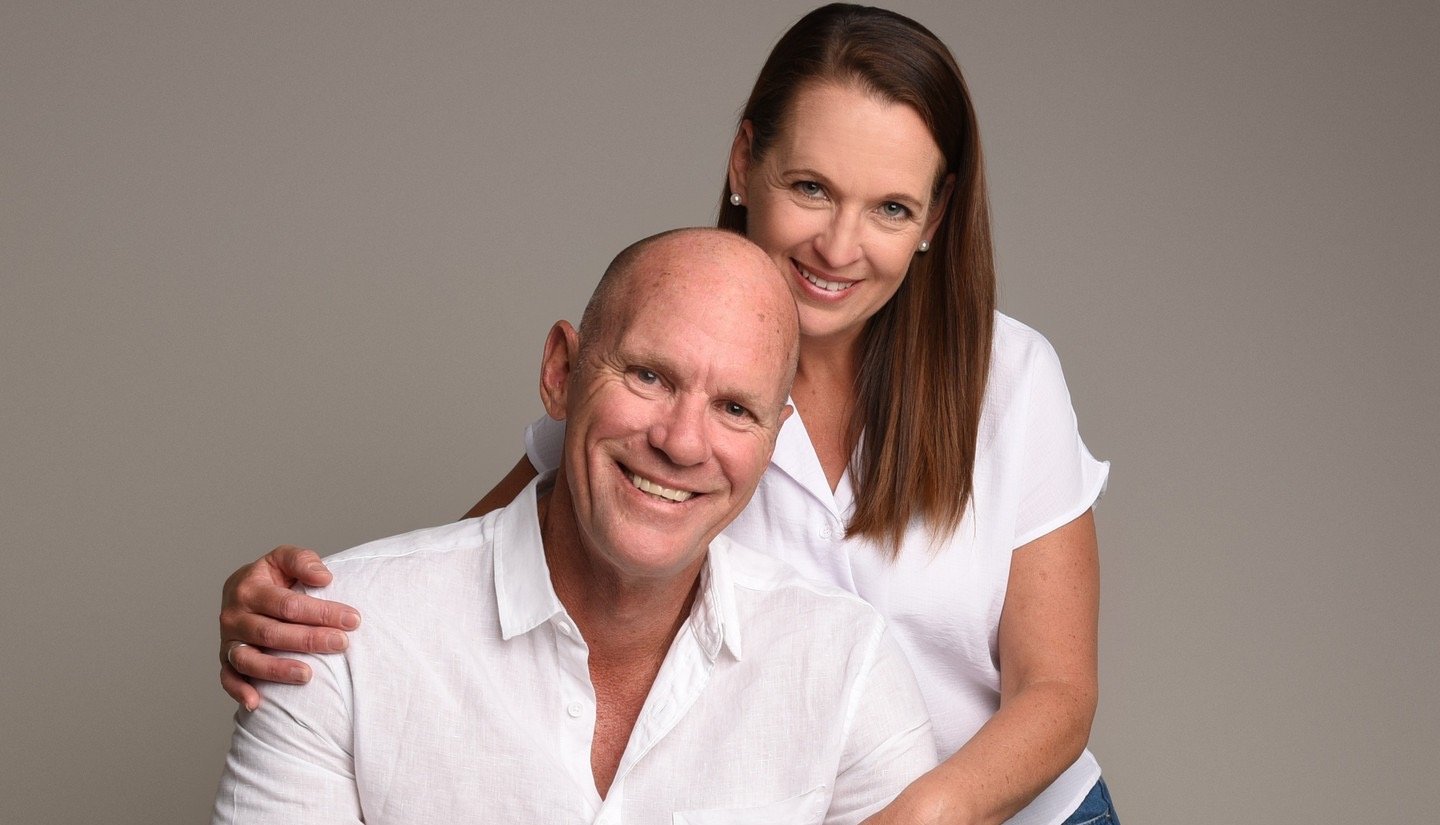
That realisation sits at the centre of how Trina and I now live, and why we stepped away from full-time work. If time is the ultimate currency, then how we spend it is not a productivity issue. It is an identity decision.
Time Is the Currency of Self-Leadership
Self-leadership begins with an uncomfortable truth: your calendar is your autobiography in draft form.
What we claim to value is irrelevant if our time flows elsewhere. Growth, health, relationships, curiosity, presence, none of these are intentions. They are outcomes of where seconds are invested, day after day.
Time is brutally honest. It cannot be delegated. It cannot be rebranded. It exposes misalignment without commentary. When hours disappear into obligation, distraction, or habit, the cost is not abstract. It is cumulative, shaping who we become without asking permission.
In this sense, time is not just a resource. It is the clearest measure of integrity between values and behaviour. Every unexamined hour is a quiet withdrawal from the person we say we want to be.
Time on the Road: Presence as Wealth
Travelling full-time sharpens this truth.
Budgets flex. Plans change. Routes rewrite themselves. Time does not. A conversation that unfolds slowly. A detour that leads nowhere obvious. A meal that stretches into the evening because no one is rushing. These moments are not purchased with money. They are paid for with attention.
We’ve learned that the richest experiences are rarely efficient. They are rarely optimised. They are created by choosing presence over pace. Not seeing more, but seeing more clearly.
Travel, at its best, is not escape. It is stewardship. The deliberate decision to spend irreplaceable seconds on experiences that deepen rather than distract. Miles covered mean little. Meaning created is everything.
Time in Leadership: The Illusion of Control
In organisations, leaders often believe they manage complexity. What they actually manage is attention.
Budgets can be revised. Structures redesigned. Strategies reset. Time remains linear and unforgiving. Every meeting without outcome. Every decision delayed. Every hour consumed by noise carries an opportunity cost that compounds quietly.
Peter Drucker was direct: time is the scarcest resource, and unless it is managed, nothing else can be managed. Not because time is precious in theory, but because it is the container for every other decision.
Leaders do not fail from lack of intelligence. They fail from fragmented attention. From calendars shaped by urgency rather than intent. From mistaking motion for progress.
Why We Squander Time So Easily
We protect money because its scarcity is visible. We squander time because its loss feels distant.
Psychologists call this temporal discounting. We overvalue immediate demands and undervalue future consequence. The cost accumulates invisibly, until one day it becomes obvious and irreversible.
Personally, it shows up as endless distraction and overcommitment.
As travellers, it appears in rushing and checklist living.
For leaders, it manifests as reactive cultures, exhausted teams, and shallow thinking.
The pattern is consistent. Time is lost in the margins, then mourned in retrospect.
Regret or a Life Worth Remembering
One question now guides our days:
Every second will be spent. The only choice is whether it buys regret or a life worth remembering.
This is not sentimental. It is structural. Research shows that people evaluate experiences by their emotional peaks and how they end, not by duration. Meaning is designed, not accumulated by default.
That makes time stewardship a leadership act. Not heroic. Daily. Ordinary. Decisive.
Will this hour deepen clarity or dilute it?
Will this choice build memory or merely consume motion?
Will today’s spending of time align with the person I am becoming?
What This Demands in Practice
Treat time like capital. Audit it honestly.
Protect depth. Insight requires uninterrupted attention.
Eliminate time theft. Noise is expensive, even when it feels harmless.
Design endings. Days, projects, careers are remembered by how they close.
The Unavoidable Conclusion
The Clock Theory leaves no room for illusion. Time is the ultimate currency of life and leadership, not because it is poetic, but because it is final.
Every day, 86,400 seconds are entrusted to us. They will be spent regardless. The question is not whether time will be used, but whether it will be invested deliberately.
In the end, legacy is not built from titles or possessions. It is built from choices made with the only resource that cannot be replaced.
Spend accordingly.
With time,
G&T
Find stories and insights that inspire your own path forward
Discover insights that elevate your travel, sharpen your leadership, and support your personal growth..

Join Our Adventure Today!
Stay updated with our latest travel stories, tips, and adventures. Join our newsletter!