
Curiosity Rewarded Slowly
George Town, Penang reveals its richest experiences through slow exploration, everyday life, diverse cultures, and the quiet rewards of genuine curiosity.
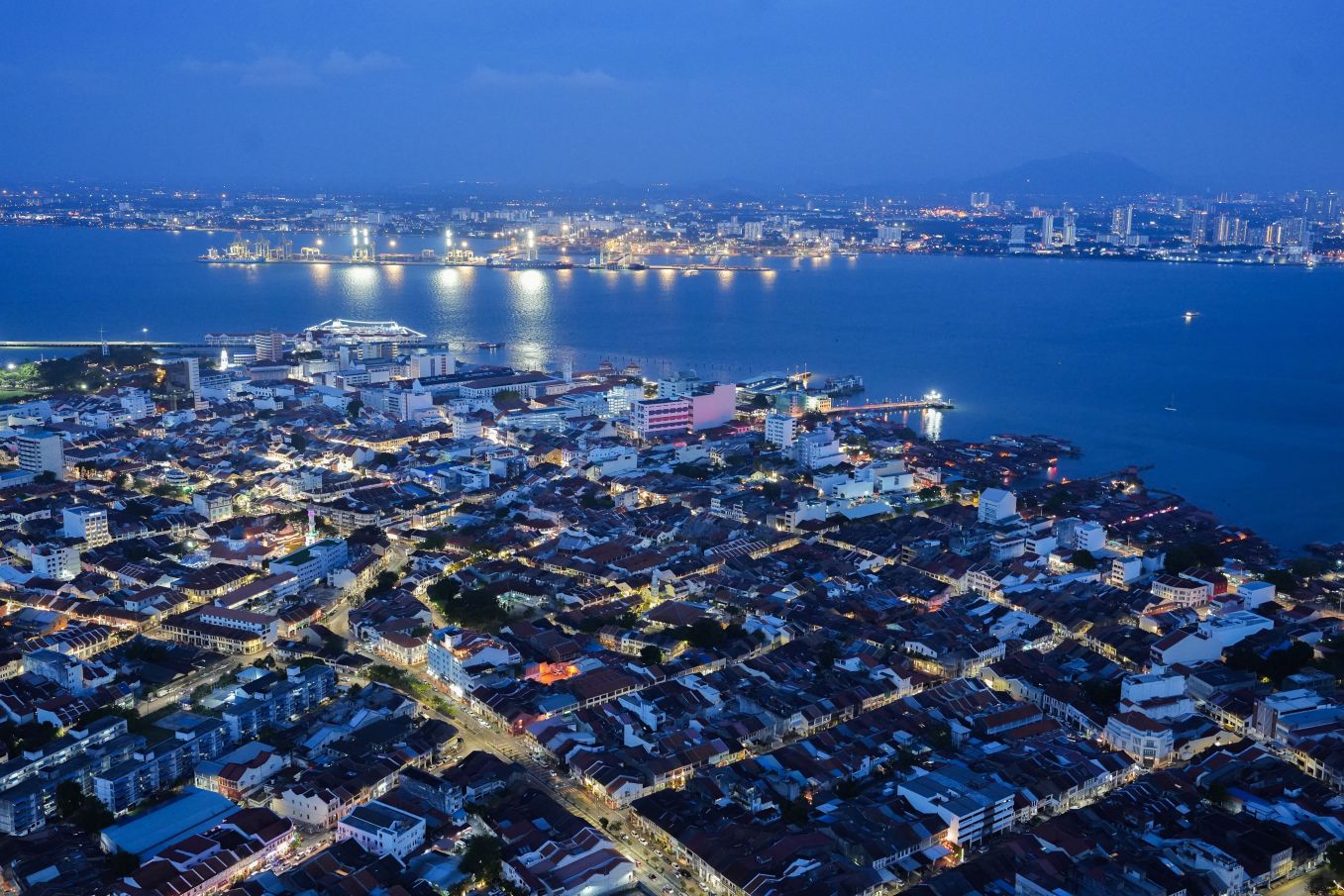
There are cities that announce themselves the moment you arrive.
Their skylines dominate the horizon. Their landmarks appear on postcards long before you've stepped off the plane. Within minutes, you understand why millions of people travel halfway around the world to see them.
George Town isn't one of those cities.
In fact, our first impression was almost the opposite.
The streets felt surprisingly ordinary. Traffic moved steadily between rows of weathered shophouses whose faded paint hinted at stories we didn't yet understand. Scooters threaded effortlessly through narrow streets while locals carried on with the routines of another day. There were no dramatic skylines demanding attention, no single monument drawing crowds towards it, and no obvious centre announcing itself as the place we had come to see.
For a brief moment, we wondered whether we had misunderstood what made George Town so highly regarded.
Then we started walking.
The longer we wandered, the more that first impression began to dissolve. George Town wasn't hiding its character from us. It was asking something different of us. It wasn't inviting us to admire it from a distance. It was inviting us to slow down, become curious, and allow the city to reveal itself one street at a time.
That may be George Town's greatest lesson.
Not everything worth experiencing announces itself immediately.
Some places need time before they begin to make sense.
A City That Never Stopped Becoming
George Town is a UNESCO World Heritage city, but that label tells only part of its story.
Founded in 1786 by Captain Francis Light, the city quickly became one of the most important trading ports in Southeast Asia. Its position along the Strait of Malacca placed it at the crossroads of global commerce, where ships from China, India, Arabia and Europe arrived carrying far more than spices, silk and porcelain. They brought languages, beliefs, recipes, traditions and ways of seeing the world.
Many historic cities preserve these influences like museum exhibits, carefully separated from modern life.
George Town never made that distinction.
Here, history was never frozen.
It simply kept living.
Walking through the city, it was impossible to separate the past from the present. Chinese clan houses still stood proudly among beautifully restored shophouses. Hindu temples filled the air with incense only a short stroll from neighbourhood mosques where the call to prayer drifted gently across the streets. Colonial buildings had found new purpose as cafés, bookstores, galleries and family-run businesses, each carrying another chapter of the city's long story.
Nothing feels staged.
Nothing feels preserved purely for visitors.
The city isn't performing its history.
It is simply continuing it.
Perhaps that's why George Town feels so different from many heritage destinations. Rather than asking visitors to step backwards in time, it invites them to walk alongside it.
The Reward of Wandering
Most modern travel encourages efficiency.
Maps highlight the fastest route. Social media tells us exactly where to stand for the perfect photograph. Itineraries become carefully optimised lists of attractions to complete before moving on to the next destination.
George Town quietly resists that way of travelling.
We quickly realised that some of our favourite discoveries happened only because we weren't looking for them.
A narrow laneway opened into a courtyard filled with colourful murals. An old doorway revealed a craftsman patiently working with techniques that had outlived generations. The scent of fresh coffee drifted from a tiny café we hadn't intended to visit. Conversations spilled from open shopfronts while elderly neighbours chatted beneath slowly turning ceiling fans as though time itself moved differently here.
The famous street art certainly deserves its reputation, but even that feels different from what many visitors expect.
The murals aren't simply paintings placed onto walls.
They belong to the city.
Old bicycles lean against brickwork and become part of the artwork. Windows, doorways and weathered timber blend seamlessly into each scene until it becomes difficult to know where the city ends and the artist begins. Visitors laugh as they pose beside familiar murals, not simply photographing them but becoming part of them.
It feels playful.
Not because someone designed an attraction.
Because the city invites participation.
The more we wandered, the less interested we became in ticking famous locations from a list. George Town taught us that discovery often happens between the places guidebooks tell us to visit.
A City That Speaks Through Food
If architecture tells George Town's history, food tells its soul.
Penang has earned a reputation as Malaysia's food capital, but that title isn't simply about having great restaurants. It reflects centuries of cultural exchange that continue every evening at hawker centres scattered across the city.
As the afternoon heat softened, streets that had seemed quiet during the day gradually transformed. Plastic tables appeared beneath awnings. Woks crackled over fierce flames. The aromas of garlic, chilli, spices and charcoal drifted through the warm evening air as families gathered around stalls they had visited for decades.
Meals became far more than something to eat.
They became another way of understanding the city.
Chinese techniques blended with Malay flavours. Indian spices found their place alongside recipes passed from one generation to the next. Every plate carried traces of the communities that had shaped George Town over centuries.
Some evenings we found ourselves at New Lane Hawker Centre, surrounded by conversations in languages we couldn't understand yet somehow recognised as part of the city's rhythm. On other nights we wandered through Chulia Street, allowing curiosity rather than a plan to decide where we would eat.
One afternoon, while escaping the tropical heat, we stopped for Penang's famous traditional ice balls at Kokfai. It was a simple experience, yet somehow perfectly captured the character of George Town. There was no elaborate presentation or carefully curated experience. Just generations of local tradition served with quiet confidence.
George Town never tries too hard.
It doesn't need to.
Its authenticity speaks for itself.
Living Rather Than Visiting
Perhaps the greatest privilege of our time in George Town isn't any particular attraction.
It is staying long enough to stop feeling like visitors.
A month is an unusual amount of time in a city that many travellers experience in only two or three days.
But for us, the extra time is changing our perspective completely.
Morning walks become familiar rather than exploratory. The local supermarket replaces souvenir shops. We find ourselves returning to cafés simply because they feel comfortable rather than because someone had recommended them. We watch the city change throughout the day, from the quiet rhythm of early morning to the energy of lunchtime before the streets filled once again as evening approaches.
George Town gradually stops feeling like somewhere we are travelling through.
It's beginning to feel like somewhere we are temporarily living.
That shift matters.
When travel slows down, destinations begin to reveal aspects of themselves that rushed itineraries rarely allow us to see. The extraordinary becomes ordinary, and in doing so, the ordinary often becomes the most memorable part of the experience.
We are realising that our strongest memories aren't tied to individual attractions.
They are tied to a feeling.
The feeling of belonging, however briefly, to the everyday life of the city.
The Places That Stay With Us
It would be easy to list the reasons George Town deserves its reputation.
The street art.
The heritage architecture.
The food.
The temples.
The Clan Jetties.
The cafés.
Each deserves its place.
Yet none of them, on their own, explain why George Town will stay with us long after we have left.
What we'll remember most is something much harder to describe.
We'll remember slowing down, allowing curiosity to replace urgency, and discovering that the richest travel experiences rarely happen when we chase them.
They emerge quietly, often unexpectedly, while we're walking towards somewhere else.
George Town reminds us that some cities don't reveal themselves through spectacular landmarks or carefully choreographed experiences.
They reveal themselves through everyday life.
Through conversations overheard from a nearby table, the smell of street food drifting into a quiet laneway, faded buildings that continue serving their communities rather than their tourists.
And, through history that never stopped evolving.
Perhaps that is why George Town will linger in our memory so differently from many other destinations.
It doesn't ask to be admired.
It asks to be experienced.
And like the most meaningful conversations, it becomes richer the longer you stay.
With heritage,
G&T
Find stories and insights that inspire your own path forward
Discover insights that elevate your travel, sharpen your leadership, and support your personal growth..


Join Our Adventure Today!
Stay updated with our latest travel stories, tips, and adventures. Join our newsletter!