
Invisible Cost of Commitment
A quiet encounter reveals how real commitment endures without choice, fairness, or applause, challenging how we define effort, dignity, and work.
Most conversations about work, resilience, and dedication happen at a safe distance from reality. Titles soften it. Salaries obscure it. Language like work ethic and grit turn lived hardship into abstraction.
Then you meet someone like Ali.
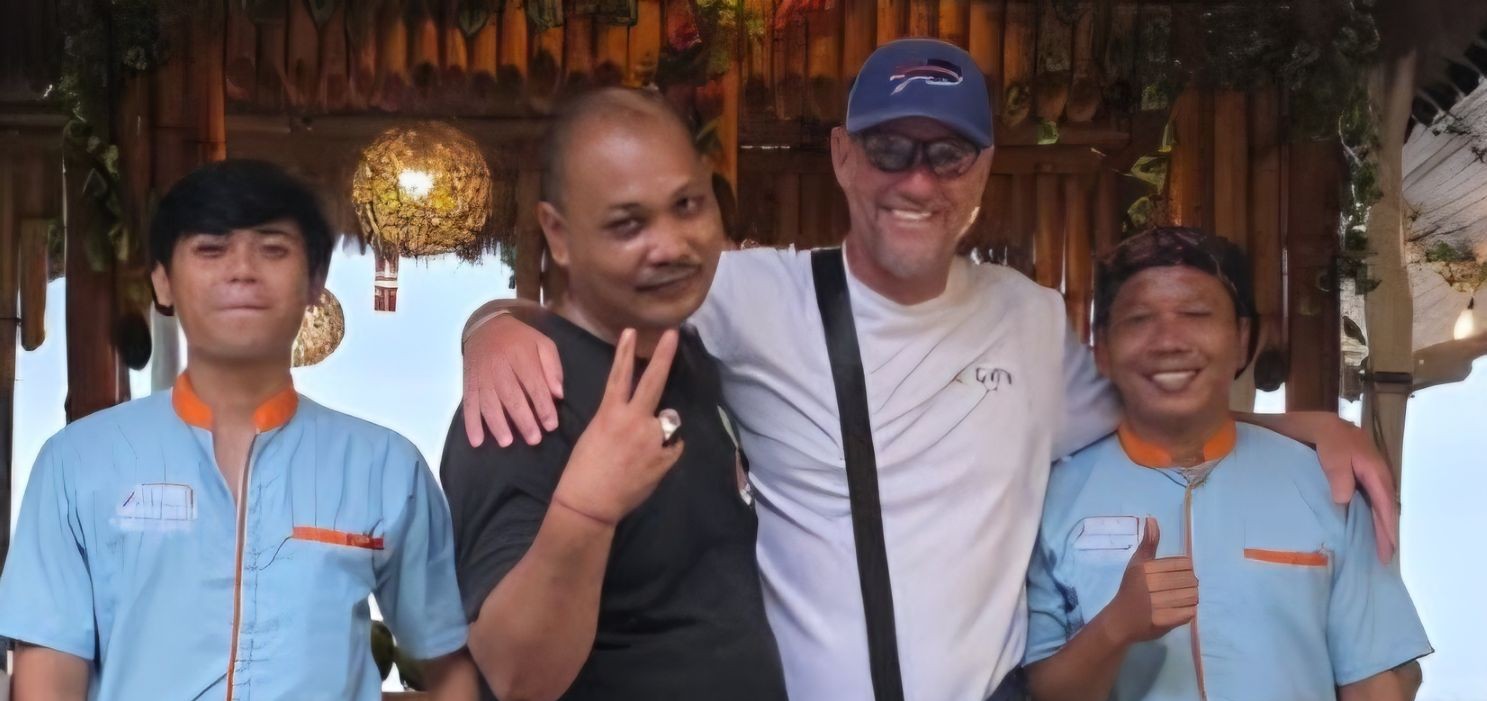
Ali is a young father from Lombok. We met him while travelling through Nusa Penida, where he works in a small restaurant. Over several visits, what stood out first was not his story, but his presence. Calm. Attentive. Respectful. Meticulous in his care for customers. The kind of hospitality professionalism organisations claim to value but rarely cultivate.
Only later did the details emerge.
For five months straight, Ali has worked seven days a week. No days off. He is paid 25,000 Indonesian rupiah an hour, roughly $1.45 AUD. He has not seen his wife or children in that time. He sleeps in the restaurant. His world has been reduced to work, rest, repeat.
And still, his commitment does not falter.
This is not a story about heroism. It is a story about perspective.
Commitment Is Not a Personality Trait
It Is a Condition of Circumstance
We often talk about commitment as if it is a choice made freely. As if dedication, sacrifice, and perseverance are simply matters of mindset.
That framing collapses when confronted with reality.
Ali does not perform commitment because it is fashionable or fulfilling. He does not work relentlessly to “find purpose” or “build a brand.” His commitment exists because it must. Because provision leaves no margin for hesitation. Because absence from work means absence from income. Because responsibility is not theoretical when children are waiting elsewhere.
This is what commitment looks like when there is no safety net.
Not loud.
Not self-promoting.
Not performative.
Quiet. Relentless. Unnegotiated.
The Gap Between Effort and Reward
What is difficult to reconcile is not Ali’s workload. It is the imbalance between effort and return.
In many professional contexts, long hours are temporary. Sacrifice is framed as investment. Endurance is promised future reward. There is a narrative arc that justifies the cost.
Ali’s reality offers no such reassurance.
Five months of separation. Seven days a week. Minimal pay. No visible upside beyond survival. And yet, the standard he holds does not diminish. The care does not erode. The dignity remains intact.
That dissonance exposes an uncomfortable truth.
Much of what we label as burnout in privileged contexts is not the presence of hard work. It is the absence of meaning, fairness, or agency. Effort without alignment is what exhausts people. Effort rooted in responsibility, however heavy, is sustained differently.
What This Reveals About Leadership and Work
This is not an argument to glorify hardship. Exploitation is not virtue. Endurance should never be romanticised.
But Ali’s presence reframes something essential.
Commitment is not created by motivation speeches or corporate values statements. It is shaped by clarity of responsibility, immediacy of consequence, and the knowledge that someone else depends on you showing up.
Leaders often ask why engagement is fragile. Why loyalty is conditional. Why discretionary effort feels scarce.
Ali offers an answer, not in words, but in contrast.
Where effort is invisible, it endures quietly.
Where dignity is respected, standards remain high.
Where responsibility is real, commitment follows.
What Stayed With Me
Ali did not complain. He did not perform suffering. He did not ask to be seen.
And that is precisely why he should be.
Not as an example to be extracted or a lesson to be leveraged, but as a reminder of how narrow our definitions of hard work have become. How easily we forget the scale at which others are operating. How casually we speak about effort without understanding its true cost.
Meeting Ali did not inspire me.
It recalibrated me.
It sharpened my awareness of privilege.
It softened my judgements about fatigue.
It deepened my respect for quiet professionalism carried under impossible weight.
The Question This Leaves Us With
If commitment looks like this when there is no applause, no progression, and no guarantee of relief, then the question for the rest of us is not whether we are capable of effort.
It is whether we are paying attention.
To the people who carry more than we see.
To the labour that makes our comfort possible.
To the quiet discipline that never asks to be admired.
Because real commitment rarely announces itself.
It just keeps showing up.
With committment,
G&T
Find stories and insights that inspire your own path forward
Discover insights that elevate your travel, sharpen your leadership, and support your personal growth..

Join Our Adventure Today!
Stay updated with our latest travel stories, tips, and adventures. Join our newsletter!