Money That Moves With You
A simple financial system turns travel from uncertainty into freedom, replacing money stress with clarity, choice, and presence on the road.
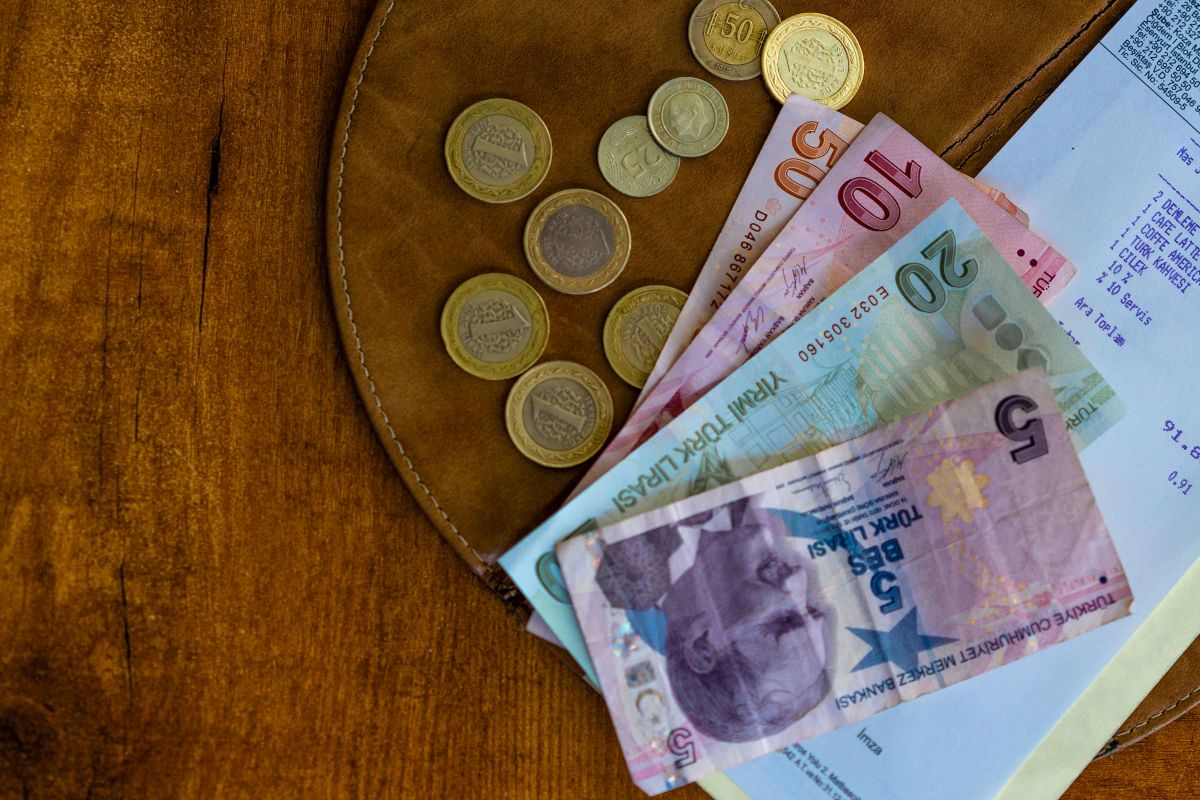
Financial freedom is not about how much you earn. It is about how simply and deliberately you structure your money before you leave.
Before Trina and I stepped into full-time travel, we faced a practical truth. The quality of our journey would not be determined by destinations or gear. It would be determined by how stable and predictable our finances felt once the salaries stopped.
Travel without financial structure is not freedom. It is uncertainty in motion.
That’s where Australian author Scott Pape’s The Barefoot Investor shifted from a finance book into a practical travel blueprint for us. Not because it promised wealth, but because it delivered something far more useful on the road: simplicity, clarity, and control.
Why Financial Structure Matters More Than Budget
Most travel advice focuses on how to spend less. Fewer people talk about how to build a system that removes daily financial stress.
The Barefoot approach is built on a few simple ideas: automate what matters, simplify your accounts, remove unnecessary debt, and invest for the long term. For travellers, these ideas translate into something powerful.
Less financial noise.
More mental space.
Greater freedom on the road.
When your money is structured, travel decisions become easier. You are not constantly checking balances, shifting funds, or worrying about whether a spontaneous decision will create a problem next month.
Your system quietly handles the essentials while you focus on the experience.
The Four Travel-Friendly Principles
1. Automate the Essentials
Before we left, we automated everything possible. Savings, bills, insurance, and investments ran on a schedule. Once the system was in place, we no longer had to think about it daily.
On the road, this matters. Internet connections are unreliable. Time zones shift. Access to banks can be limited. Automation removes the risk of missed payments or forgotten transfers.
The goal is simple: build a system that runs whether you are in a capital city or a remote village.
2. Simplify Your Accounts
Complex financial structures make travel harder. Multiple credit cards, scattered savings accounts, overlapping insurance policies, and unnecessary subscriptions create confusion.
Before leaving, we consolidated everything. Fewer accounts. Clearer purposes. No financial clutter.
This made it easier to track spending, access funds, and solve problems quickly when something unexpected happened.
Simplicity is not just tidy. It is practical when you are thousands of kilometres from home.
3. Remove Debt Before You Go
Debt changes the emotional tone of travel. It turns exploration into obligation. Every decision begins to feel like it carries financial consequences waiting back home.
In the years before departure, we made debt elimination our first priority. The impact was immediate. Travel felt lighter. Decisions felt freer. There was no lingering pressure to justify every moment because nothing was chasing us.
Travel is easier when your financial life is not anchored by repayments.
4. Invest for the Long Term
Full-time travel is not an escape from the future. It is a different way of living inside it.
We kept long-term investments running in the background. That discipline created a sense of continuity. The journey was not a financial pause. It was simply a different chapter of the same plan.
Knowing the future was still being funded made the present feel more relaxed.
Living With Less, Experiencing More
Preparing for travel forced us to confront our possessions. Most of what we owned did not align with the life we were about to live.
So we let it go.
What surprised us was how little we missed. Many items had been conveniences, not necessities. Others were status symbols that meant nothing once we were carrying everything on our backs.
Minimalism was not a philosophy. It was a practical travel decision. Less stuff meant fewer decisions, fewer costs, and more mobility.
The lighter we travelled, financially and physically, the more present we became.
What Financial Freedom Actually Looks Like on the Road
Financial freedom does not always look dramatic. It is not luxury hotels or expensive experiences.
Often, it looks like this:
Saying yes to a local cooking class without stress.
Staying an extra week in a place that feels right.
Taking a slower route because it interests you, not because it is cheaper.
Knowing an emergency will not end the journey.
Freedom is not the absence of cost. It is the presence of choice.
A Simple Travel Finance Philosophy
The biggest lesson we took from The Barefoot Investor is this: money should serve the life you want, not define it.
When finances are simple, automated, and aligned with your values, travel becomes lighter. Decisions become clearer. Experiences feel richer.
You stop asking, “Can we afford this?”
And start asking, “Is this worth our time?”
That shift changes everything.
With financial clarity,
G&T
https://www.barefootinvestor.com/
Disclaimer:This post reflects our personal experience with The Barefoot Investor and is not sponsored, endorsed, or affiliated with Scott Pape or his publishers.
Find stories and insights that inspire your own path forward
Discover insights that elevate your travel, sharpen your leadership, and support your personal growth..
Join Our Adventure Today!
Stay updated with our latest travel stories, tips, and adventures. Join our newsletter!