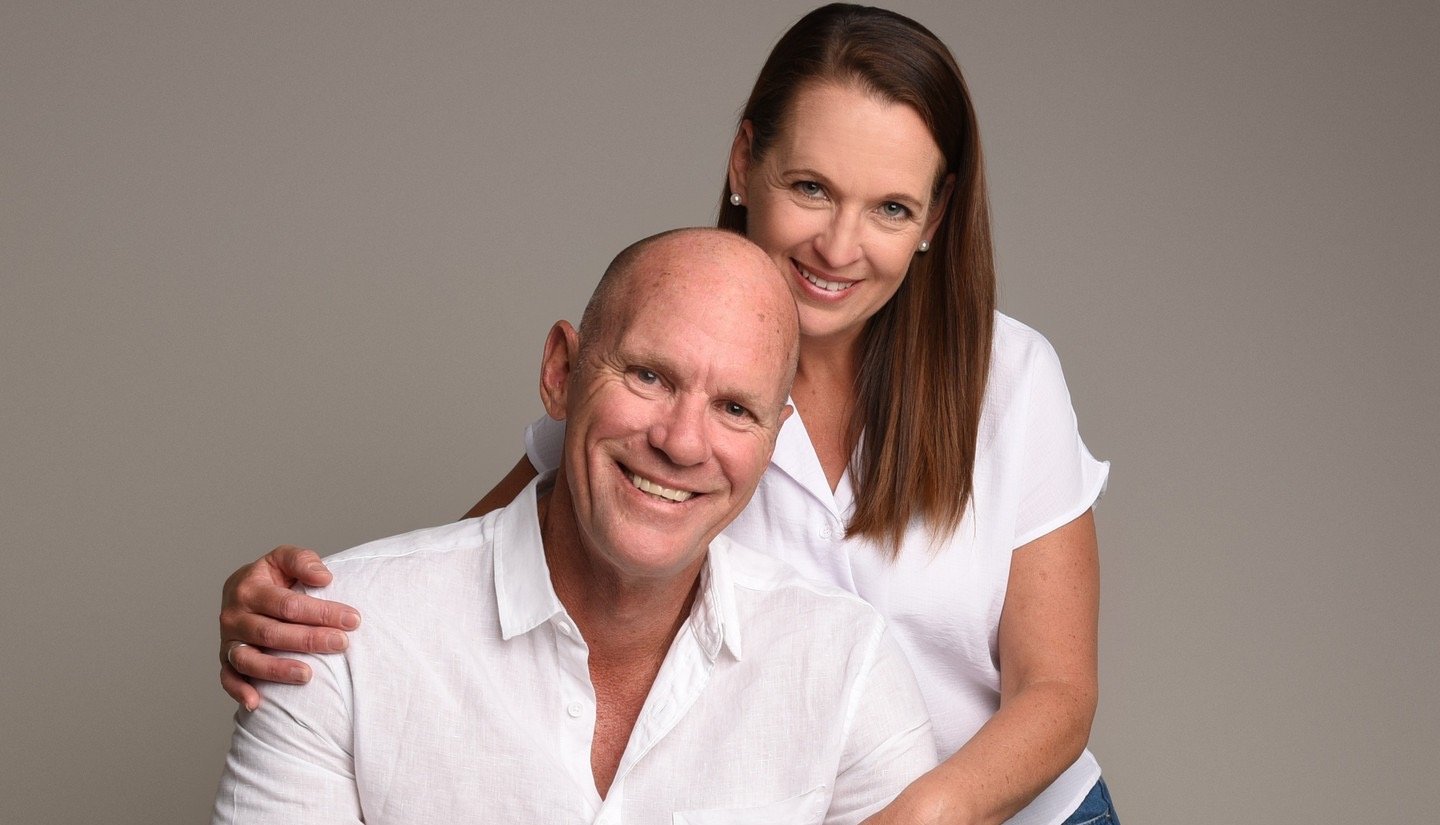
Mortal. Meaningful. Alive.
Mortality gives life meaning, reminding us to stop postponing what matters and embrace each fleeting moment intentionally.

If you could live forever, would you?
It's a question that sounds appealing on the surface. Given the choice, most of us would instinctively reach for more time. More opportunities to travel, to learn, to love, to become the person we hope we might one day be. Yet the longer I sit with the question, the less certain I am that immortality would be the gift we imagine it to be. In fact, I suspect that much of what makes life meaningful would disappear if it lasted forever.
Think about a bouquet of flowers. What gives it beauty is not its permanence but its fragility. The colours are vibrant because they will eventually fade. The petals are precious because they will eventually fall. If flowers lasted forever, they might retain their appearance, but they would lose something far more important. They would lose their ability to remind us that beauty is fleeting. Life, I have come to believe, works in much the same way. Mortality is not a flaw in the human experience. It is the very thing that gives our experiences significance.
When Tomorrow Becomes an Assumption
For much of my life, I behaved as though time was abundant. Not consciously, of course. Most of us do. We postpone the trip we have always wanted to take. We delay the difficult conversation that has been lingering in the background. We convince ourselves that there will be another opportunity to reconnect with old friends, spend more time with family, or pursue a dream that has quietly waited for years. Tomorrow becomes a convenient place to store the things that matter most.
The problem is that tomorrow is an assumption, not a promise.
As I've grown older, I've found myself thinking less about what I want to achieve and more about how I want to spend the time that remains. That shift in perspective played a significant role in the decision Trina and I made to leave behind a familiar and successful life and embrace the uncertainty of full-time travel. It wasn't because we were unhappy. Nor was it because we were chasing adventure for adventure's sake. The truth was much simpler. We became increasingly aware that life was moving forward whether we paid attention to it or not, and we didn't want to reach the end of this chapter wondering why we had spent so much of it waiting for a better time to truly live.
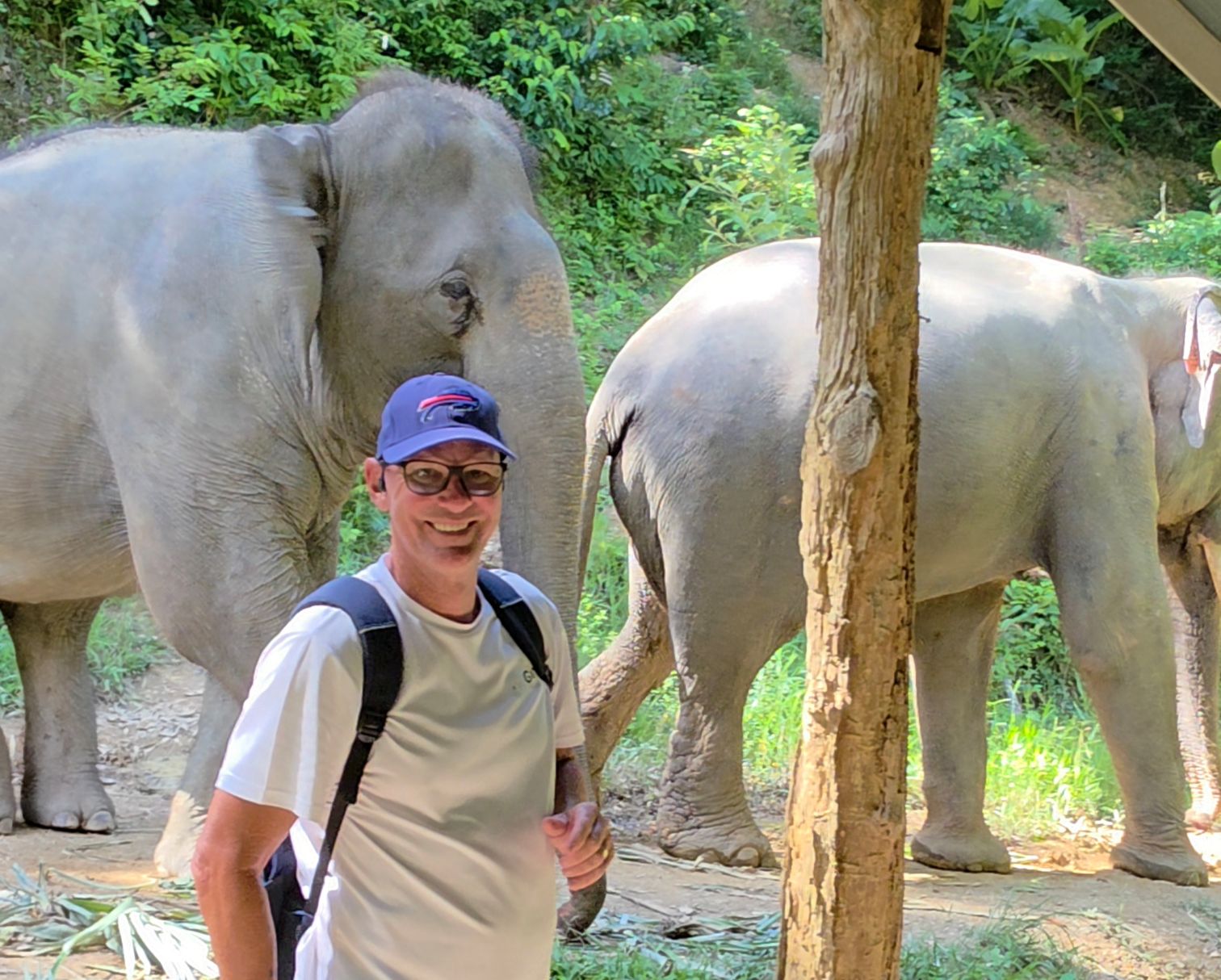
Travel has reinforced that lesson in ways I never expected. Some of our most memorable experiences have been remarkably ordinary. Sharing a meal with strangers in a small Indonesian village. Watching the sun disappear beneath the horizon from a quiet beach. Sitting in a café and talking about nothing in particular. None of these moments lasted very long. In fact, their temporary nature is precisely what made them meaningful. They arrived, lingered briefly, and then became memories. The awareness that they could never be repeated exactly the same way gave them a richness that permanence never could.
Presence Over Permanence
That realisation has changed how I think about life itself. We often assume that significance comes from duration, that a long life is automatically a meaningful life. Yet some of the most profound moments we experience last only seconds. A child's first breath. A marriage proposal. A farewell. A glimpse of courage when fear would have been easier. Meaning is not measured in years. More often, it is measured in presence. It comes from paying attention while life is happening rather than constantly preparing for what comes next.
Perhaps that is the true gift of mortality. It forces us to recognise that our time is limited, not so that we live in fear of the ending, but so that we appreciate the middle. Knowing that our days are finite encourages us to stop postponing joy, to stop assuming there will always be another opportunity, and to stop treating today as a rehearsal for a future that may never arrive. Mortality sharpens our awareness. It invites us to become more intentional about where we invest our energy, who we spend our time with, and what we choose to value.
When people reflect on their lives near the end, they rarely wish they had accumulated more. More often, they wish they had experienced more. They wish they had spent more time with the people they loved, followed their curiosity more often, worried less about what others thought, and found the courage to pursue the things that genuinely mattered to them. The irony is that most of us already know this. We know it intellectually. The challenge is living as though we believe it.
For me, that is the enduring lesson of mortality. Life becomes more precious when we stop assuming it will last forever. Ordinary moments become extraordinary. Conversations become richer. Relationships become deeper. Gratitude becomes easier. We begin to understand that the value of life is not found in its permanence but in its fleeting nature.
Final Reflection
We are not here forever, and perhaps that is exactly as it should be. The flowers bloom because they will fade. The seasons change because they must. Our lives matter because they are finite.
So if there is an invitation hidden within mortality, it is not to fear the ending. It is to pay closer attention to the time in between. To be present. To be grateful. To love deeply. To choose courage over comfort. And to stop waiting for the perfect moment to begin living the life you want.
Because life is precious not despite its limits, but because of them.
With mortality,
G&T
Find stories and insights that inspire your own path forward
Discover insights that elevate your travel, sharpen your leadership, and support your personal growth..

Join Our Adventure Today!
Stay updated with our latest travel stories, tips, and adventures. Join our newsletter!