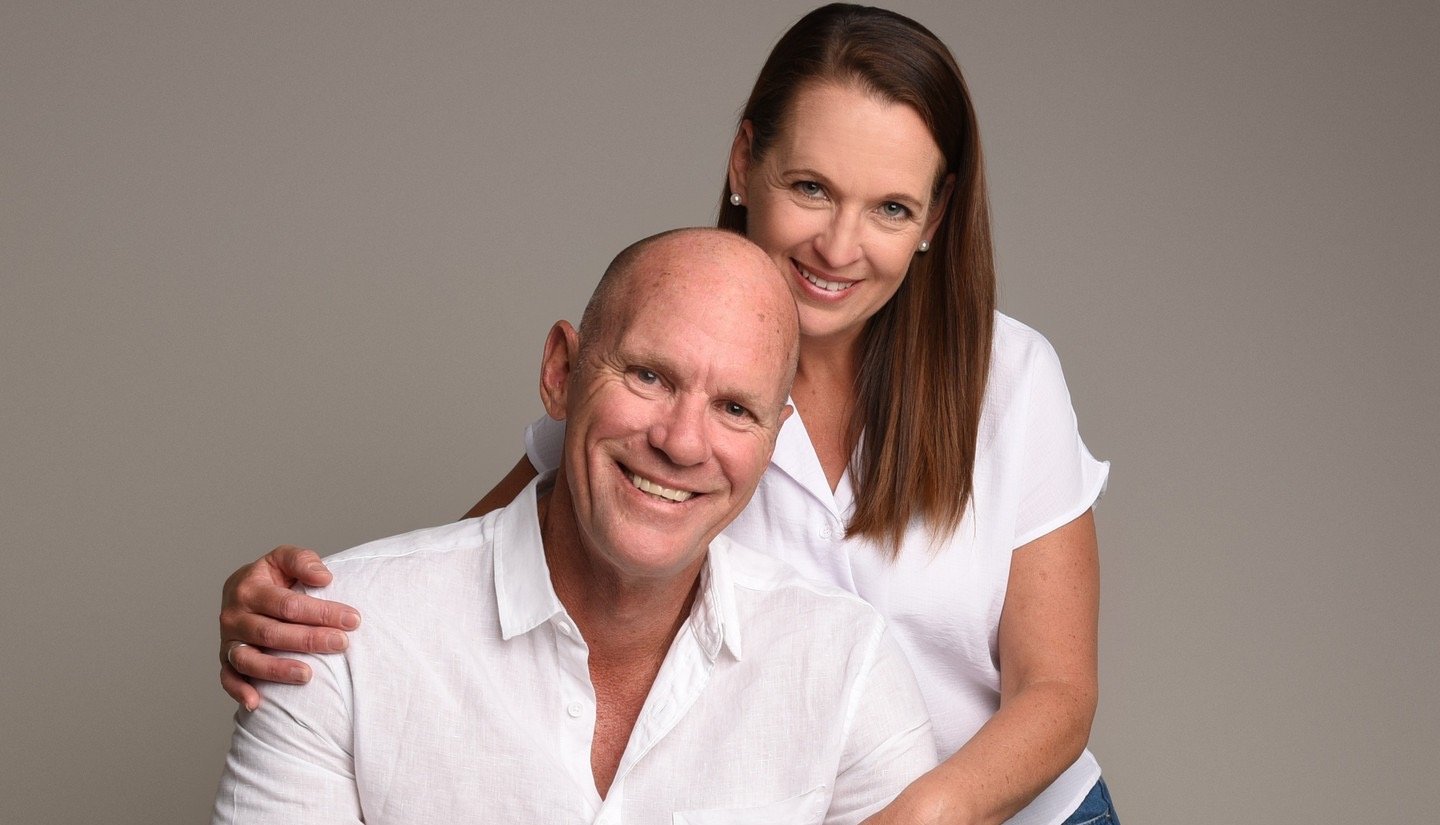
The Faces We Wear
Most people appear strong while carrying private fear; kindness matters because we rarely see the full weight others bear

This post is dedicated to my colleague and Friend, Kate Maroske.
Strength is often what we show.
Vulnerability is what we carry.
Most of us move through life presenting a version of ourselves designed to function. Capable. Composed. Reliable. It is how we meet expectations, maintain momentum, and protect the people around us from worry.
What we rarely show is the inner world running quietly beneath that surface.
This tension between what is visible and what is carried is not unusual.
It is profoundly human.
What We Learn When the Mask Softens
In early 2025, Kate was diagnosed with cancer. The news landed heavily, as news like that always does. It arrived with the questions no one invites but everyone recognises.
From the outside, Kate appeared exactly as many strong people do. Calm. Grounded. Often optimistic. In professional and social settings, she carried herself with composure and, at times, humour. To anyone observing from a distance, she seemed to be coping well.
Around her, support gathered quietly. Small acts. Practical help. Steady presence. Not to fix what could not be fixed, but to create space for healing.
Trina and I contributed in a modest way. Kate loves good food, so each Sunday during the early stages of treatment we dropped off a meal. It was simple. Intentionally so. One less decision. One small comfort before another cycle of uncertainty.
It was in those quieter moments, away from performance and expectation, that something else emerged.
The mask softened.
Beneath it were the truths we rarely see: fatigue, fear, vulnerability, uncertainty. A life suddenly measured not in plans, but in scans and waiting rooms.
What stayed with me was not the contrast itself, but how familiar it was.
We All Live in Two Worlds
We all do this.
We carry strength outwardly while managing private fear inside. The distance between our public composure and our inner reality is the space where many people quietly live.
Externally, we present what is required. Competence. Stability. Readiness.
Internally, a different landscape exists. This is where fear lingers without language. Where uncertainty resists explanation. Where hope is held carefully, in case it disappoints.
When life introduces illness, grief, burnout, or personal crisis, the distance between these two worlds often widens. The effort required to remain “together” increases just as the inner world becomes more fragile.
The smiling colleague may be awake with panic at 2 a.m.
The reliable leader may be quietly afraid of losing control.
The person who “seems fine” may be carrying news that has not yet found words.
This is not deception.
It is protection.
Why We Hide What Hurts Most
People do not hide their struggles because they are dishonest. They do it because they are careful.
Sometimes it is to protect others. Sharing pain can feel like imposing an emotional burden on people already carrying enough.
Sometimes it is about preserving identity. Vulnerability can feel like a threat to the version of ourselves we’ve worked hard to become.
For others, it is about control. When the inner world feels unpredictable, outward competence becomes an anchor.
And often, it is simply the desire to feel normal. To not be reduced to a diagnosis, a crisis, or a single defining moment.
Layered over all of this is a cultural preference for resilience over honesty. We reward people for “staying strong” and moving forward quickly. Vulnerability is admired in theory, but still uncomfortable in practice.
The result is quiet dissonance.
A world that sees strength.
A heart that is managing fear alone.
The Cost of Holding It Together
Living with two identities is exhausting.
Sustained emotional suppression has a cost. Not dramatic. Accumulative. It drains energy, narrows resilience, and makes endurance feel heavier over time.
Kate experienced this firsthand. Remaining strong for others became its own burden. The effort required simply to keep going was significant.
In the moments when she felt safe enough to let the mask fall, something shifted. Vulnerability did not weaken her. It relieved her. It allowed those around her to respond with deeper presence rather than surface reassurance.
Authenticity was not a liability.
It was a release.
Kindness Is Not Soft. It Is Structural.
Kindness works because it creates space.
Space to stop performing.
Space to breathe.
Space for the inner world to exist without explanation or shame.
When we choose kindness, especially when there is no visible need, we acknowledge a simple truth: we never know the full story someone is carrying.
Small acts matter more than we realise.
A genuine question, asked without agenda.
Listening without trying to fix.
Time offered without being requested.
A softer tone.
A pause before judgement.
Kindness does not solve illness.
It does not remove fear.
But it reminds people they are not alone while carrying it.
What Strength Often Hides
Kate’s experience revealed something quietly important.
Those who appear the strongest are often carrying the most.
Not because they lack resilience, but because they are practiced at coping. Accustomed to responsibility. Reluctant to impose. They are often the least likely to ask for help.
Which is why kindness cannot always wait to be requested.
Sometimes, it must be offered first.
If we could see the private battles people fight, we would move differently. Slower to judge. Quicker to forgive. More generous with compassion. Less attached to perfection.
More human.
A Closing Reflection
Kate, I am deeply proud of how you navigated your journey. Not because you were always strong, but because you allowed truth to exist alongside courage.
The day you shared that your treatment had been successful was a moment of collective release. Relief. Gratitude. The quiet exhale of fears many of us had been holding with you.
Your journey left us with something lasting: a renewed awareness that kindness is not optional. It is a responsibility we carry for one another.
Especially for those who look like they’re coping just fine.
With kindness,
G&T
Find stories and insights that inspire your own path forward
Discover insights that elevate your travel, sharpen your leadership, and support your personal growth..

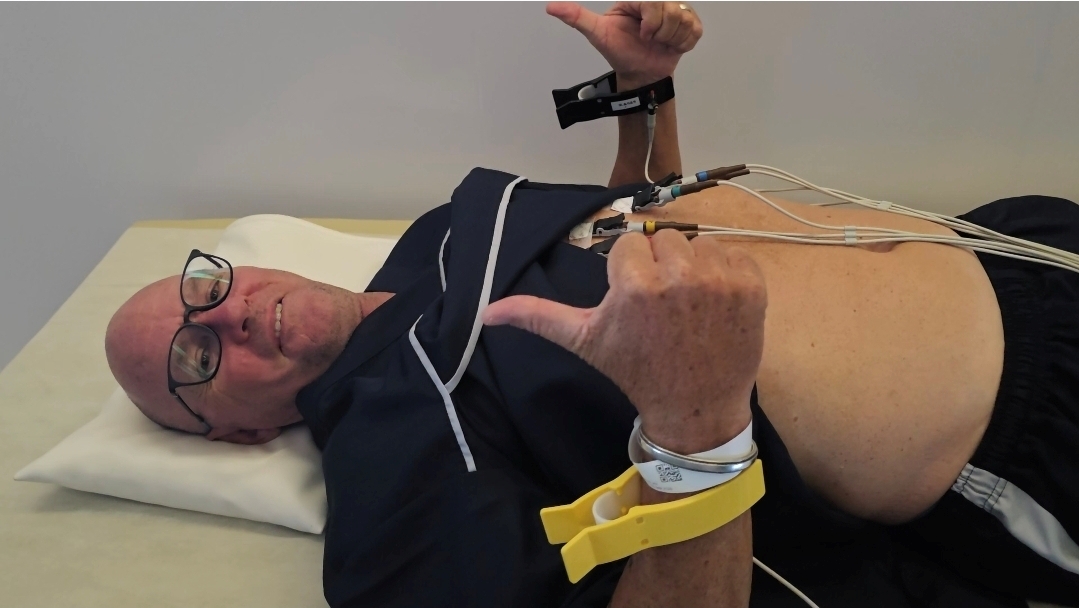

Join Our Adventure Today!
Stay updated with our latest travel stories, tips, and adventures. Join our newsletter!