Perfect Storms: A Different Measure of Success
If I’m Fortunate, I have 25 Summers Left.

If I’m fortunate, I have around 25 summers left.
That quiet realisation changed how I think about time, work, and the way I want to live. It wasn’t dramatic. It wasn’t a crisis. It was clarity. The kind that arrives not with urgency, but with weight.
For more than two decades, I worked in senior leadership roles. I led teams, navigated complexity, and carried responsibility I took seriously. I’m proud of the work we did, the people I supported, and the trust I was given.
But as I moved through my fifties, a different question began to surface.
Not can I keep doing this?
But does this still reflect who I’m becoming?
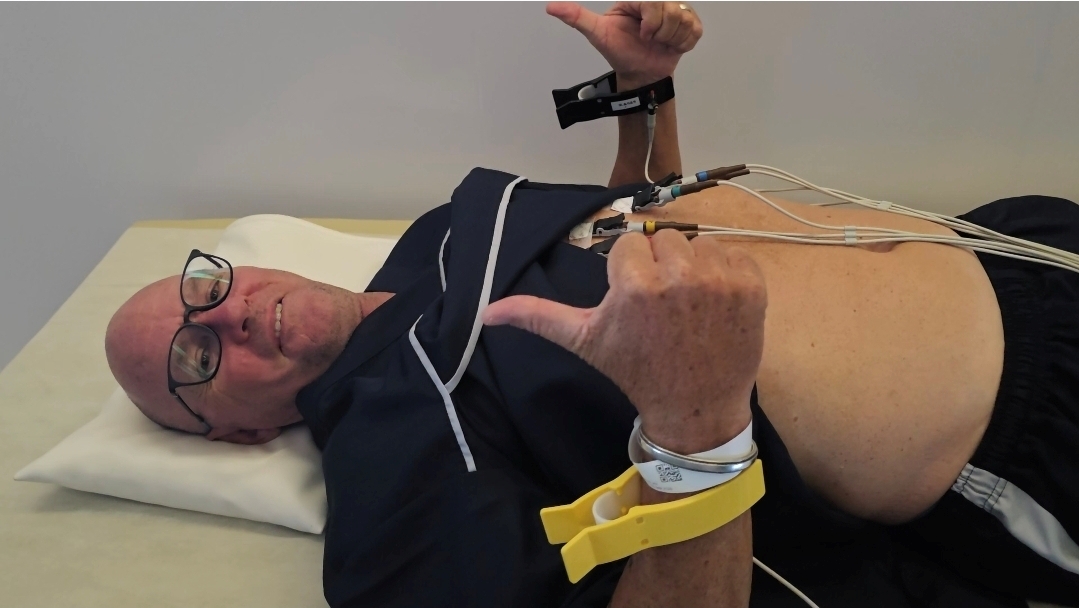
What followed wasn’t burnout in the way it’s usually described. It was quieter and more honest. A convergence of physical fatigue, emotional recalibration, and mental depletion. Not failure. Information.
So I made a decision that surprises some people at this stage of life. I stepped away from full-time executive work and toward a life shaped with greater intention. I didn’t run from responsibility. I redefined it.
This is not a story about escape.
It’s a story about alignment.
1. Physical Wellbeing: From Performance to Presence
For years, discipline defined my approach to fitness. Structured routines, performance goals, and consistency served me well. They built resilience and focus. But over time, the rigidity that once supported me became a constraint. Injuries accumulated. Recovery slowed. What had been sustainable no longer was.
I realised that staying “fit” was no longer the point. I needed vitality that supported living, not just working.
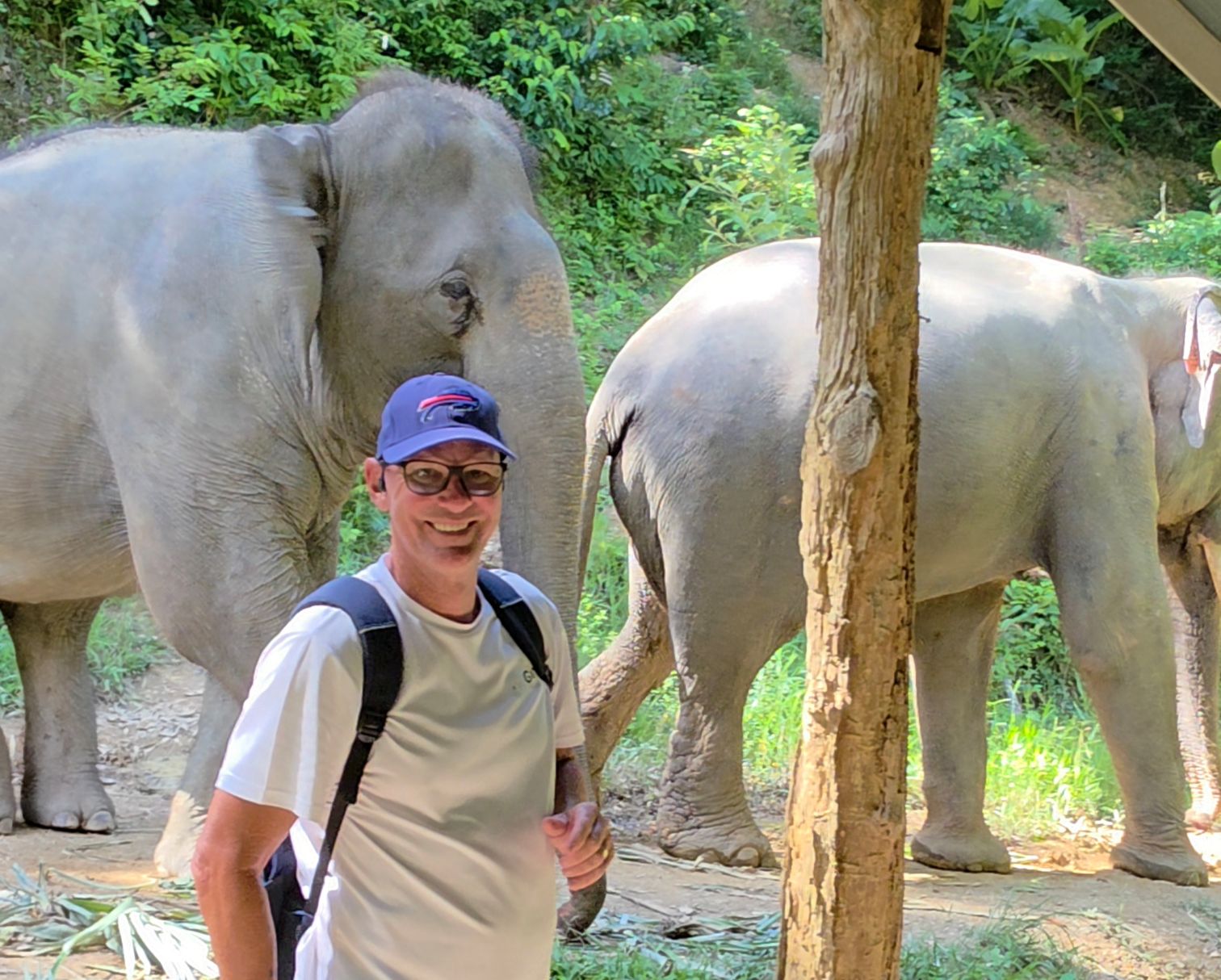
My future movement looks less like repetition and more like range. Sunrise hikes. Long walks through unfamiliar cities. Cycling without metrics. Vitality, I’m learning, is not about optimisation. It’s about having the energy to say yes to life.
2. Emotional Clarity: Redefining Success
On paper, everything still made sense. The work was meaningful. The relationships were strong. The mission mattered. Yet emotionally, something had shifted.
My attention moved away from milestones and metrics and toward experiences, stories, and relationships that couldn’t be measured in quarters or dashboards. What mattered most no longer fit neatly into the structures that once defined success for me.
I kept returning to a question often raised by palliative care nurse Bronnie Ware, who documented the most common regrets of people nearing the end of life:
Would I one day regret not living a life true to myself?
That question didn’t induce panic. It brought clarity. It reframed success away from external validation and toward alignment. Toward living in a way that felt honest, intentional, and deeply my own.
3. Mental Exhaustion: The Hidden Cost of High Performance
Leadership demands clarity, creativity, emotional steadiness, and sustained focus. While I was still performing at a high level, I noticed a quieter cost emerging.
Decision fatigue. Constant context switching. The cumulative weight of responsibility.
I wasn’t failing. I was depleted.
Research in cognitive psychology and neuroscience from the American Psychological Association confirms what many leaders feel but rarely name: prolonged stress and sustained decision-making narrow cognitive capacity and erode emotional resilience. I didn’t encounter this truth in a journal. I felt it in myself.
When I spoke candidly with my CEO about the need to reset, it wasn’t a resignation. It was an act of responsibility. Sustainable leadership sometimes requires stepping back so clarity, energy, and purpose can be restored.
That distinction matters. For individuals and organisations alike.
4. The Strategy Behind the Shift
Stepping away wasn’t impulsive. It was deliberate.
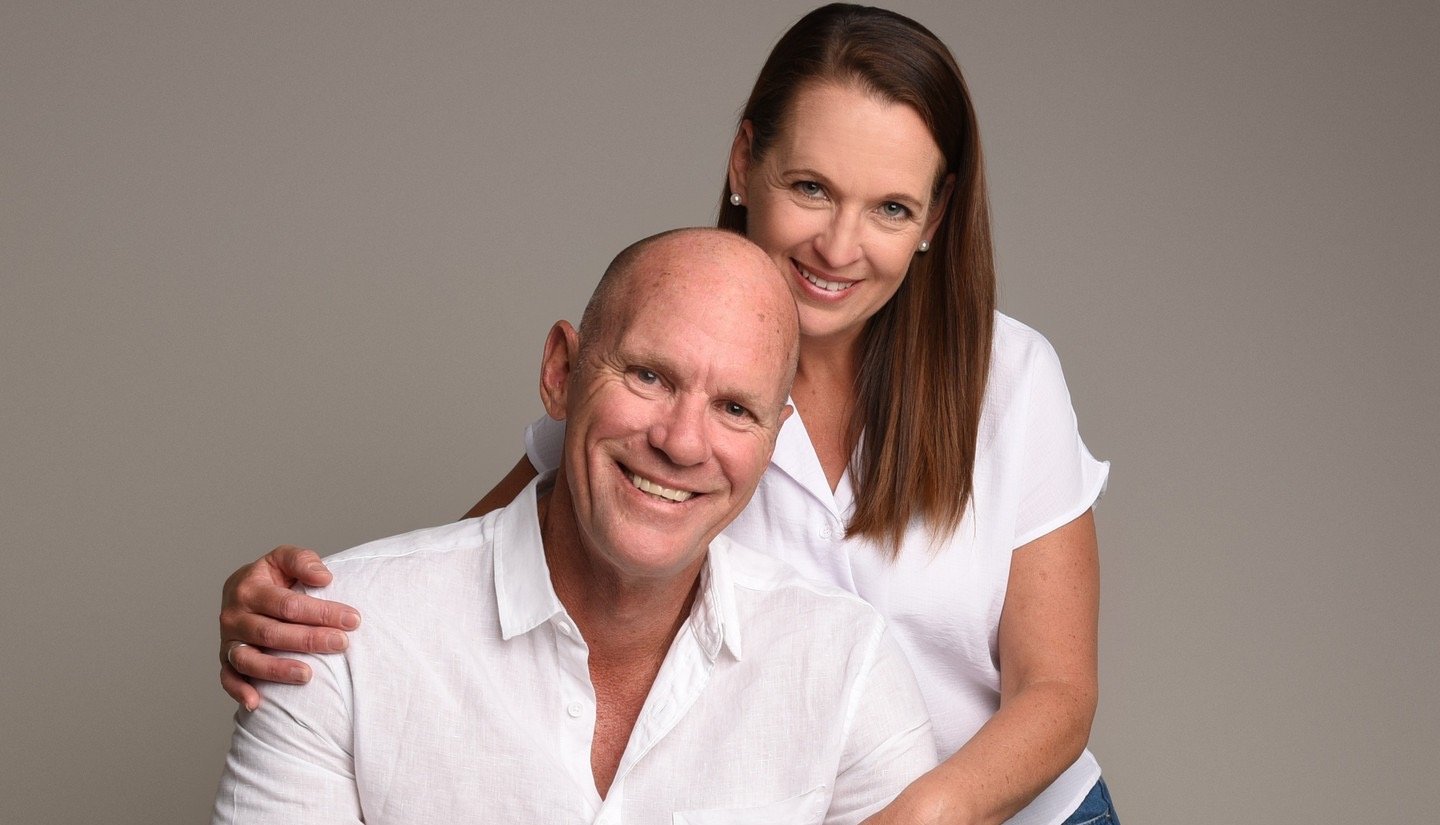
Trina and I approached this transition the same way we approached organisational change. With intention, planning, and respect for risk.
We simplified our lives. Released nonessential possessions. Secured rental income. Built a travel budget designed for sustainability and peace of mind. The goal wasn’t excess. It was choice.
Just as important was identity reframing. We're learning to loosen our attachment to titles, performance metrics, and external validation, and to redefine purpose around exploration, creativity, and contribution beyond formal roles.
One insight became unmistakable:
The greatest risk wasn’t leaving. It was staying in a life that no longer fit who we were becoming.
5. A New Definition of Success
Success now looks different.
It looks like presence.
Like curiosity.
Like having the energy to explore unfamiliar streets and the courage to question inherited definitions of a life well lived.
We are trading offices for border crossings. Packed calendars for space. Professional milestones for personal meaning. The transition hasn’t been easy, and it hasn’t been free of uncertainty. But it has been intentional.
And that intention matters.
Final Thought
If you’re reading this with a quiet sense of unrest, take it seriously. It doesn’t mean something is wrong. It may simply mean something is ready to change.
You don’t need to wait for burnout, crisis, or permission. Meaningful change usually asks for clarity about what matters, the courage to question familiar paths, and a thoughtful plan forward.
And sometimes, the most powerful act of leadership isn’t guiding others at all.
It’s choosing to lead your own life differently.
With perfect storms,
G&T
Find stories and insights that inspire your own path forward
Discover insights that elevate your travel, sharpen your leadership, and support your personal growth..

Join Our Adventure Today!
Stay updated with our latest travel stories, tips, and adventures. Join our newsletter!