Full-time Travel Health
Essential health checks for full-time travellers, exploring preventive healthcare, medical screening and our comprehensive health check experience in Bangkok, Thailand
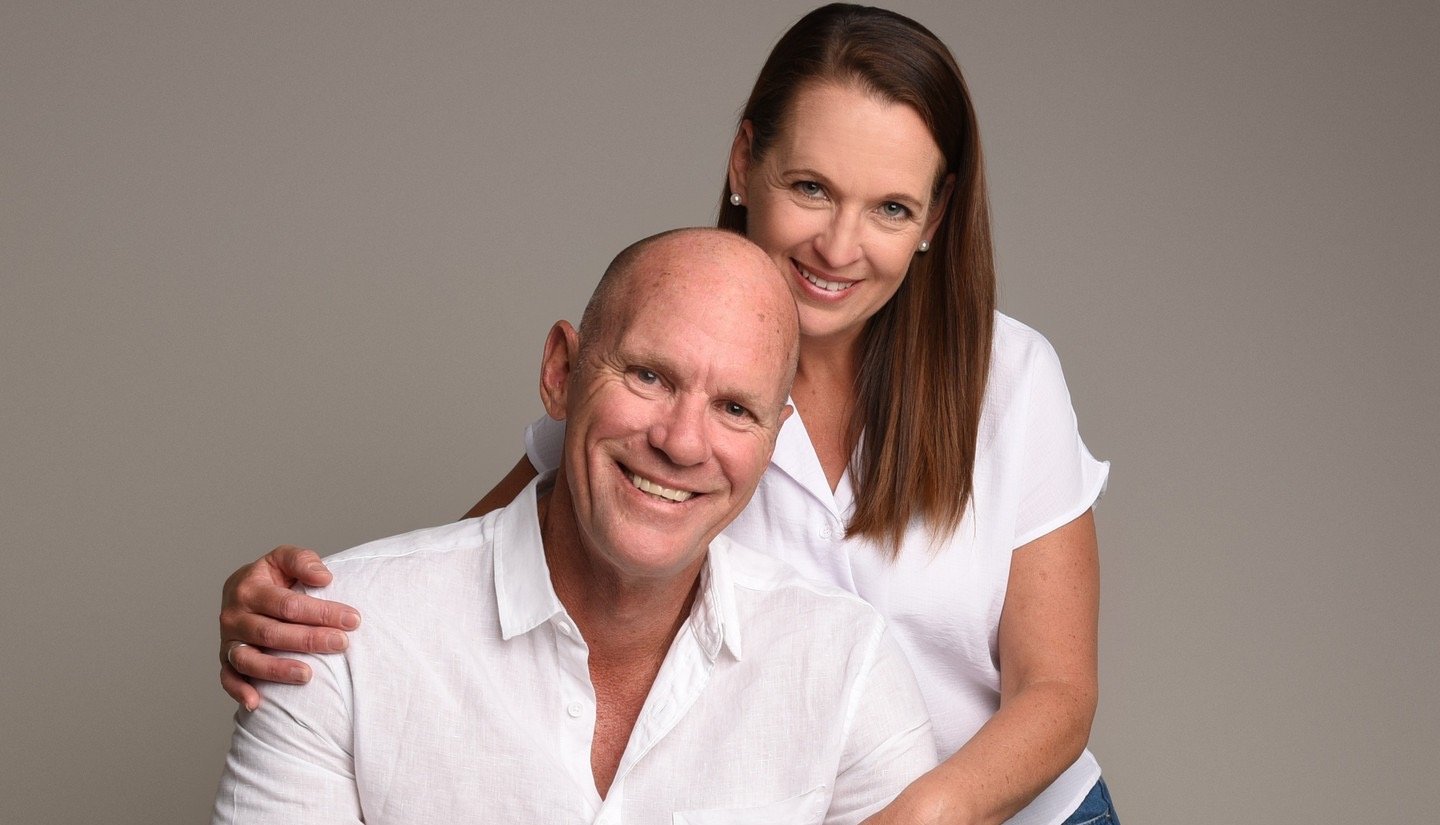
When we began travelling full-time, we spent years thinking about how to make the lifestyle sustainable.
We thought about money, visas, insurance, accommodation and how much of our former lives we could reasonably carry in two backpacks. We planned where we wanted to go, how quickly we wanted to move and how we might build a life without a permanent home waiting for us at the end of each journey.
There was another part of sustainability that seemed much simpler when we lived in Australia.
Our health.
At home, healthcare existed quietly in the background of everyday life. We had doctors. Dental appointments were booked when they were due. Blood tests and routine screening fitted naturally into the calendar. Trina and I had always been reasonably diligent about regular health checks, not because something was necessarily wrong, but because preventive healthcare was simply part of looking after ourselves.
Full-time travel removed the structure supporting those habits.
There is no familiar doctor down the road when the road itself keeps changing. An annual check-up becomes surprisingly easy to postpone when we are moving between countries, and routine screening can quietly slip down the priority list when we feel healthy and there is always somewhere new to explore tomorrow.
As we approach a year of travelling full-time, we found ourselves in Bangkok confronting a question that every long-term traveller eventually needs to consider.
How do we make sure travelling doesn't become an excuse to stop looking after ourselves?
When Routine Disappears
One of the great attractions of full-time travel is escaping routine.
No Monday morning commute. No annual leave applications. No calendar dictating which few weeks of the year we are allowed to explore the world.
But not every routine deserves to disappear.
During our first year we have travelled extensively through Indonesia, Malaysia and Thailand. We climbed mountains and thousands of temple steps, snorkelled reefs, explored caves and jungles, travelled by boats, buses and trains and ate our way through more restaurants and street stalls than we could possibly remember.
We have been incredibly fortunate to remain healthy.
Ironically, feeling healthy can make healthcare easier to ignore. Nothing hurts and nothing appears wrong, so there is always a temptation to deal with it later.
That misses the point of preventive healthcare.
Sometimes the best time to check what is happening inside our bodies is while we still feel perfectly well.
Making Health Part of the Journey
Bangkok gave us an opportunity to put that thinking into practice.
Rather than waiting until we eventually returned to Australia, we deliberately built healthcare into our stay and booked comprehensive health assessments at ADDLIFE Total Check-Up Centre. “The centre is accredited by Joint Commission International (JCI), an independent international healthcare accreditation body that assesses organisations against standards for quality of care and patient safety.
What appealed to us was the ability to complete a broad range of screening in one place rather than trying to coordinate multiple appointments in an unfamiliar healthcare system. ADDLIFE's health-check programs are designed to identify potential health issues and risk factors and combine screening with medical, dietary and fitness advice.
The process was certainly comprehensive.
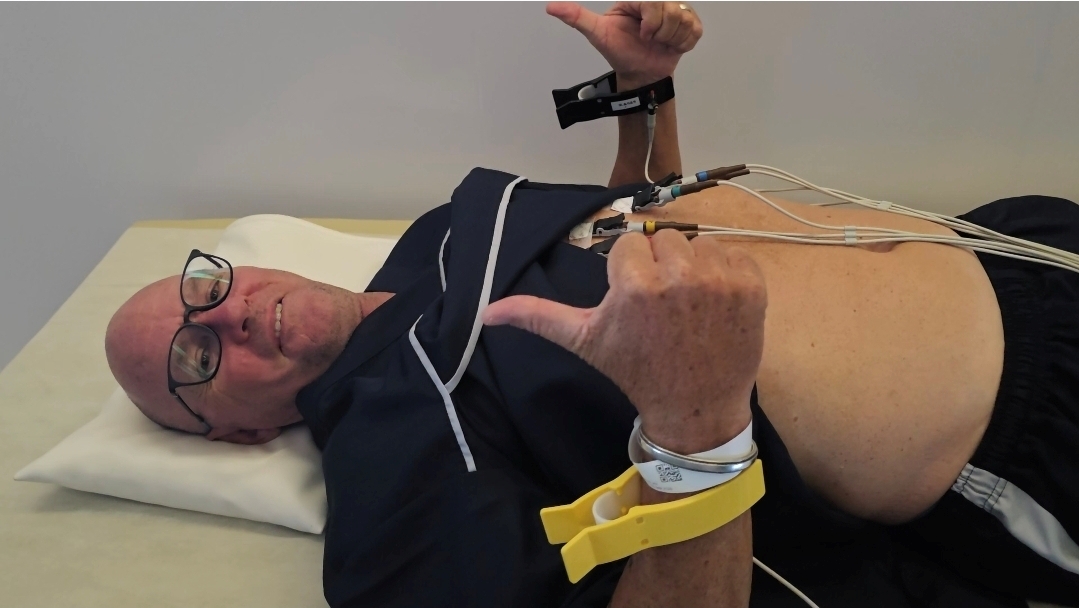
After completing the paperwork, we began with vital signs and extensive blood testing.
From there we moved through a succession of examinations including eye and hearing tests, chest X-rays, ECGs, ultrasounds and exercise stress testing. Trina's assessment also incorporated women's preventive screening, including mammography and cervical screening.
Understanding the Results
What impressed us wasn't simply the number of tests.
It was what happened afterwards.
Once the screening was completed, we were given a healthy snack while our results were compiled before meeting with a doctor, dietitian and physiotherapist to discuss them.
That part of the process was particularly valuable.
A comprehensive health assessment shouldn't simply produce pages of numbers divided into normal and abnormal. The value comes from understanding what those numbers mean, identifying areas that deserve attention and knowing which things we can influence ourselves.
Some of our results were reassuring. Others identified opportunities to improve aspects of our lifestyle.
That was precisely why we were there.
We weren't looking for perfect report cards. We wanted information that could help us remain healthy enough to continue living the life we had chosen.
We also received comprehensive reports that could be downloaded and retained. For people who don't know which country they will be living in several months from now, that portability matters.
Our medical information needs to travel with us.
Health Beyond Emergencies
Healthcare while travelling is often discussed in terms of what happens when something goes wrong.
Travel insurance. Accidents. Food poisoning. Tropical illnesses. Emergency hospital care.
Those things matter enormously, but they are only part of the picture.
There is another category of healthcare that is much easier to overlook because nothing about it feels urgent: blood pressure, cholesterol, dental care, cancer screening, eye examinations, vaccinations, nutrition, physical fitness and medication reviews.
The ordinary maintenance of a human body.
None of it becomes less important because we have replaced our home with backpacks.
Long-term travel can actually make planning healthcare more important. Australian Government travel advice recommends considering our health before travelling, keeping vaccinations up to date, understanding health risks at our destinations and knowing what medical care is available while overseas. For long-term travellers like us, those considerations don't end once we leave Australia. They need to remain part of the journey.
A comprehensive general health check also isn't the same thing as travel medicine.
They serve different purposes.
Routine screening helps us monitor broader health and age-appropriate risk factors. Travel medicine considers where we are going, what we might encounter there, which vaccinations are appropriate and whether particular destinations or activities create additional risks.
Long-term travellers need to think about both.
Healthcare Without a Home
Our experience in Bangkok made us realise that full-time travellers need to create a healthcare routine that isn't attached to a permanent address.
For us, that means keeping copies of important medical information, knowing when routine screening is due, staying on top of dental care and vaccinations, researching reputable healthcare providers and deliberately making room for appointments in our travel plans.
It also means accepting that healthcare is part of the cost of this lifestyle.
We readily budget for accommodation, transport, food and activities. Preventive healthcare deserves a place in those calculations too. There will be check-ups, dental appointments, vaccinations, prescriptions and occasionally further investigations when something needs attention.
Travel insurance remains essential for the unexpected.
Routine healthcare needs to be planned for.
The Privilege of Continuing
We started our full-time travel journey because we wanted to experience more of life rather than continue postponing it.
That decision has taken us through Indonesia, Malaysia and Thailand and into experiences we could never have imagined while sitting behind desks in Australia.
But there is a simple truth beneath all of it.
This lifestyle depends on our bodies allowing us to continue.
We can have enough savings. We can have the right passports. We can create an itinerary stretching years into the future.
None of those guarantees that we will physically be able to follow it.
Neither does a comprehensive health check.
Screening cannot guarantee good health, prevent every illness or promise us another decade of travelling.
The point is much simpler.
It allows us to pay attention.
Final Reflection
Full-time travel has taught us to become surprisingly good at looking after the journey.
We monitor our budget because we want our money to last. We check visa requirements before reaching borders. We insure ourselves against emergencies and back up thousands of photographs because we don't want to lose the memories we are collecting along the way.
Our health deserves at least the same attention.
Travelling indefinitely doesn't mean stepping outside ordinary life. Eventually the dentist still needs to be visited, blood pressure still needs checking, vaccinations need reviewing and the routine screening we once completed at home still needs to happen somewhere.
Bangkok reminded us that healthcare doesn't have to wait on the other side of the journey.
It can become part of it.
As we approach one year of full-time travel, we remain enormously grateful for how healthy we have been. Our check-ups weren't prompted by illness. They were prompted by something much simpler.
We want to keep doing this.
We spend a lot of time planning where our bodies will take us next.
Every so often, it makes sense to stop and check how the bodies carrying us are actually doing.
With good health,
G&T
Disclosure: We have no affiliation, partnership or commercial relationship with ADDLIFE. We selected the centre independently after researching healthcare providers in Bangkok and paid for our own health assessments.
Find stories and insights that inspire your own path forward
Discover insights that elevate your travel, sharpen your leadership, and support your personal growth..


Join Our Adventure Today!
Stay updated with our latest travel stories, tips, and adventures. Join our newsletter!